In today’s fast paced world, many parents feel pressure to prepare their children for academic success as early as possible. From structured schedules to early literacy drills, childhood can sometimes become more focused on achievement than development. However, research continues to show that young children learn best when they feel relaxed, supported, and free to explore naturally.
At Little Foundations Early Learning, the focus is on creating positive learning experiences that encourage confidence, curiosity, and emotional wellbeing. Instead of placing unnecessary pressure on children, quality early learning Rouse Hill programmes prioritise growth through connection, creativity, and discovery.
A balanced approach to early childhood education allows children to develop at their own pace while building the skills needed for long term success. Through play-based learning, children gain the confidence and independence required for future learning environments without losing the joy of childhood.
Why Less Pressure Leads to Better Learning?
Children are naturally curious. They are born with a desire to explore, ask questions, and understand the world around them. When children are placed under too much pressure too early, learning can begin to feel stressful rather than enjoyable.
Early childhood should not revolve around constant testing or unrealistic expectations. Instead, children benefit from environments that support emotional security, social interaction, and hands on experiences.
In supportive early learning Rouse Hill settings, educators understand that every child develops differently. Some children may begin speaking confidently at a young age, while others may need additional time to build communication skills. Some may enjoy group activities immediately, while others gradually develop social confidence through observation and gentle encouragement.
By reducing pressure and focusing on individual development, children are more likely to feel motivated, engaged, and emotionally secure.
Understanding the Value of Play Based Learning
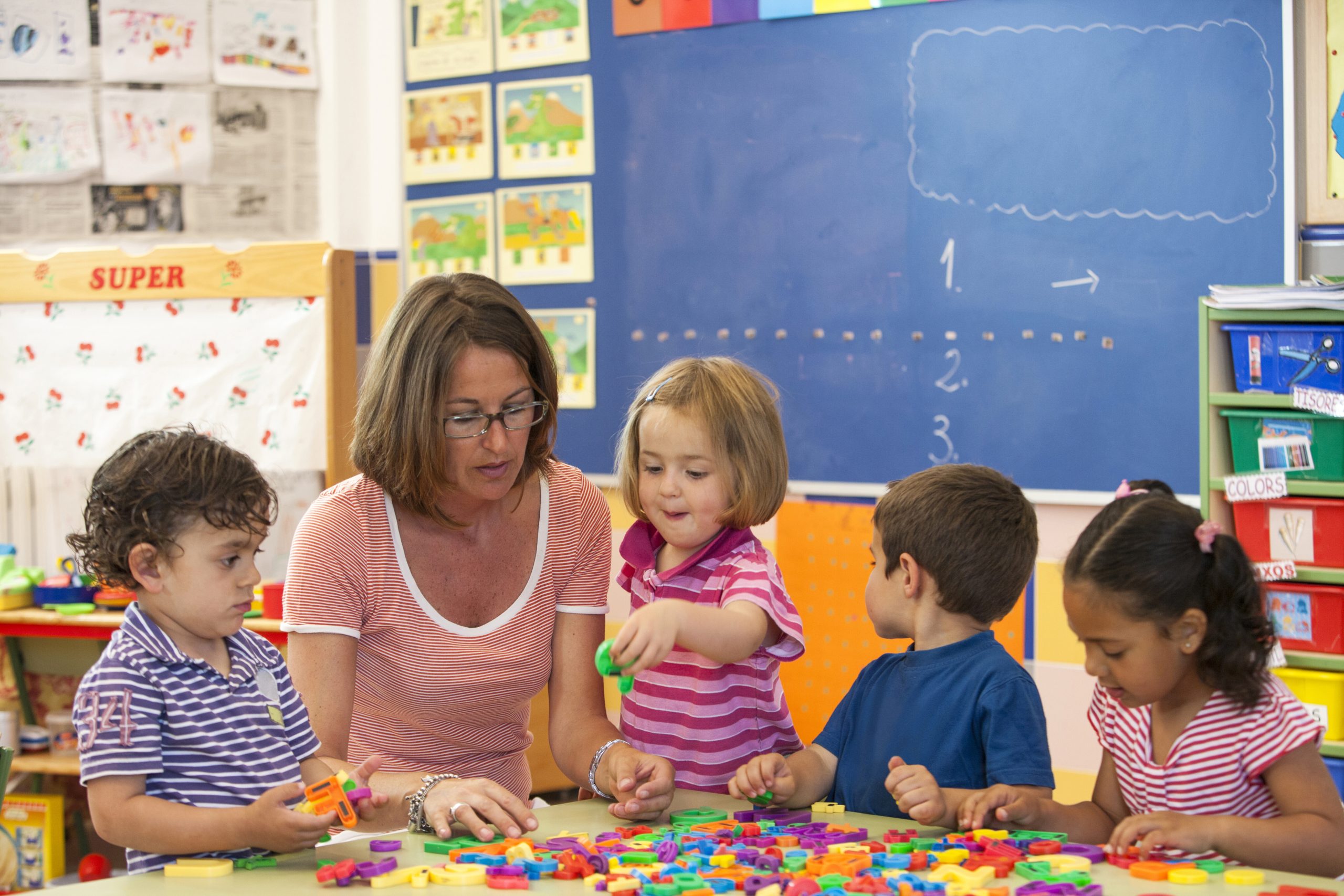
One of the most effective ways young children learn is through play-based learning. Play is not simply entertainment. It is a vital part of cognitive, emotional, physical, and social development.
When children play, they explore ideas, test problem solving skills, communicate with others, and develop creativity. Play creates opportunities for children to learn naturally while remaining actively engaged in the experience.
Examples of play-based learning include:
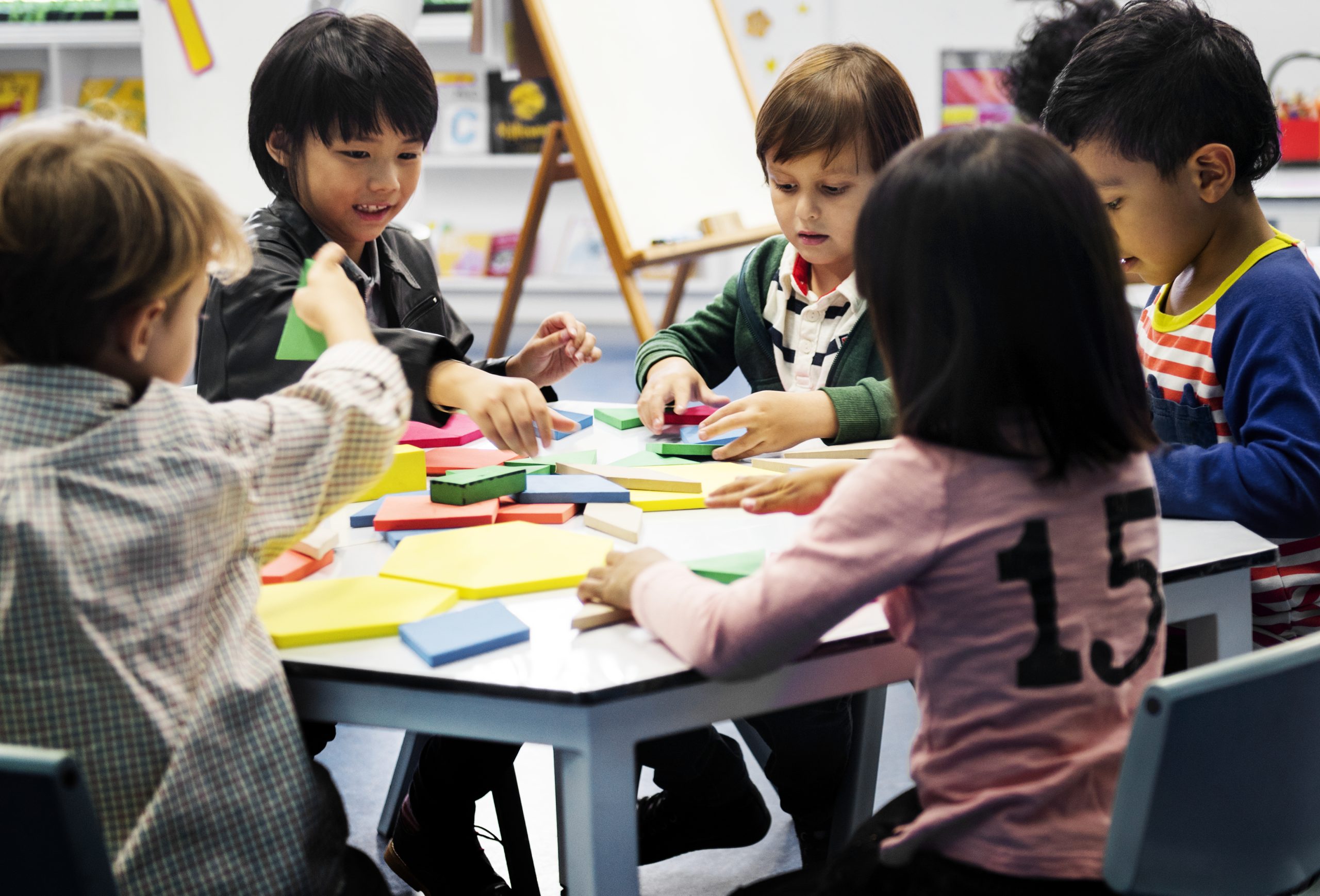
- Building structures with blocks to develop coordination and problem solving
- Role playing to improve communication and emotional understanding
- Outdoor exploration to encourage physical confidence and curiosity
- Storytelling activities that support language and imagination
- Group games that teach teamwork and patience
In quality early learning Rouse Hill centres, play experiences are intentionally planned to support learning outcomes while still allowing children to enjoy freedom and creativity.
Emotional Wellbeing Supports Progress
Children learn best when they feel safe, valued, and understood. Emotional wellbeing forms the foundation for healthy learning and development.
When children experience excessive pressure or unrealistic expectations, they may become anxious, withdrawn, or frustrated. In contrast, nurturing learning environments help children develop resilience, confidence, and a positive attitude towards learning.
Educators who prioritise emotional wellbeing help children:
- Express emotions confidently
- Build self esteem
- Develop coping strategies
- Form secure relationships
- Feel comfortable trying new experiences
A strong emotional foundation supports future academic growth because confident children are more likely to participate, ask questions, and embrace challenges.
This is why many families seeking early learning Rouse Hill services are now choosing centres that focus on emotional development alongside educational growth.
Every Child Learns Differently
One of the biggest strengths of play-based learning is its flexibility. Traditional learning approaches often expect children to learn in the same way and at the same pace. However, early childhood development is highly individual.
Some children are visual learners, while others learn best through movement, conversation, or hands on exploration. Some children enjoy independent activities, while others thrive in collaborative environments.
In personalised early learning Rouse Hill programmes, educators observe each child’s interests, strengths, and developmental stage. Learning experiences are then adapted to support individual growth rather than forcing children into rigid expectations.
This personalised approach helps children remain engaged and confident in their learning journey.
Building Important Life Skills Through Play
Academic knowledge is important, but early childhood education should also prepare children for life beyond the classroom. Through play-based learning, children develop essential life skills that support future success.
These include:
- Communication skills
- Problem solving abilities
- Creativity and imagination
- Social confidence
- Emotional regulation
- Decision making
- Independence and responsibility
For example, when children work together during group activities, they learn how to cooperate, negotiate, and respect different perspectives. When they engage in imaginative play, they build language skills and emotional understanding.
These experiences provide valuable foundations for both school readiness and lifelong learning.
Encouraging Independence Naturally
Children develop confidence when they are given opportunities to make choices and complete tasks independently. Simple experiences such as packing away toys, choosing activities, or helping with routines encourage responsibility and self belief.
In nurturing early learning Rouse Hill environments, educators gently guide children towards independence while providing reassurance and support when needed.
This balanced approach helps children feel capable rather than pressured. Over time, they become more willing to try new things and manage challenges with confidence.
The Role of Families in Early Learning
Families play an essential role in supporting children’s development. Children benefit most when parents and educators work together to create consistent and positive learning experiences.
Parents can support play-based learning at home by:
- Reading stories together regularly
- Encouraging imaginative play
- Allowing time for outdoor exploration
- Asking open ended questions
- Supporting independence with simple tasks
- Creating calm and consistent routines
Most importantly, children benefit from encouragement rather than pressure. Celebrating effort, curiosity, and progress helps children develop a healthy relationship with learning.
Choosing the Right Early Learning Environment
Selecting the right early learning environment is an important decision for families. A quality centre should focus on more than academic preparation alone. The best environments nurture emotional wellbeing, creativity, confidence, and social development.
Families looking for early learning Rouse Hill services often seek centres that offer:
- Warm and supportive educators
- Safe and engaging environments
- Strong communication with families
- Individualised learning approaches
- Meaningful play experiences
- Opportunities for social development
When children feel secure and supported, learning becomes a positive and enjoyable experience rather than a source of stress.
Final Thoughts
Childhood should be filled with exploration, creativity, and joyful learning experiences. While academic growth is important, children thrive most when they are supported emotionally, socially, and developmentally.
A less pressured approach allows children to build confidence naturally while developing the essential skills needed for future success. Through play-based learning, children gain far more than academic knowledge. They develop resilience, independence, communication skills, and a lifelong love of learning.
At Little Foundations Early Learning, children are encouraged to grow at their own pace in a nurturing environment where curiosity and confidence are celebrated every day.