Starting school is one of the biggest milestones in a child’s early years. Many parents naturally wonder whether their child is truly prepared for the transition. But an important question often gets overlooked. Is your child genuinely ready for school, or are they simply growing older?
At Little Foundations Early Learning, educators understand that true school readiness is about far more than recognising letters, counting numbers, or sitting quietly at a desk. In quality childcare Tallawong families trust, school readiness is built through emotional confidence, social development, curiosity, communication, and independence.
Every child develops differently, and readiness cannot be measured by age alone. Some children thrive in structured environments early on, while others need additional time to build confidence and resilience. Rethinking school readiness allows parents and educators to focus on the whole child rather than simply academic milestones.
What Does School Readiness Really Mean?
The term school readiness is often associated with academic skills. While recognising colours, shapes, and basic literacy can certainly help, schools increasingly value emotional and social capabilities just as much.
A school ready child is typically able to:
- Communicate their needs clearly
- Follow simple instructions
- Build friendships and cooperate with peers
- Manage emotions in different situations
- Show curiosity and willingness to learn
- Demonstrate independence with simple tasks
- Adapt to routines and transitions
These abilities are developed gradually through meaningful interactions, play based learning, and nurturing support systems. High quality childcare Tallawong centres focus on creating environments where these essential life skills naturally emerge.
Why Emotional Readiness Matters Most?
One of the most overlooked aspects of school readiness is emotional development. A child may know the alphabet perfectly but still struggle with separation anxiety, emotional regulation, or social interactions.
Children entering school face many new experiences. They must navigate unfamiliar routines, build relationships with teachers and classmates, and adapt to larger group settings. Emotional resilience helps them manage these changes with confidence.
In supportive childcare Tallawong environments, children learn how to express feelings, solve problems, and develop coping skills. Educators guide children through moments of frustration, disappointment, and excitement, helping them understand emotions in healthy ways.
This emotional foundation becomes essential when children begin formal schooling. Confident children are more likely to participate in learning, ask questions, and build positive relationships.
Learning Through Play Builds School Readiness
Many parents still associate learning with worksheets and structured lessons. However, research consistently shows that young children learn best through play.
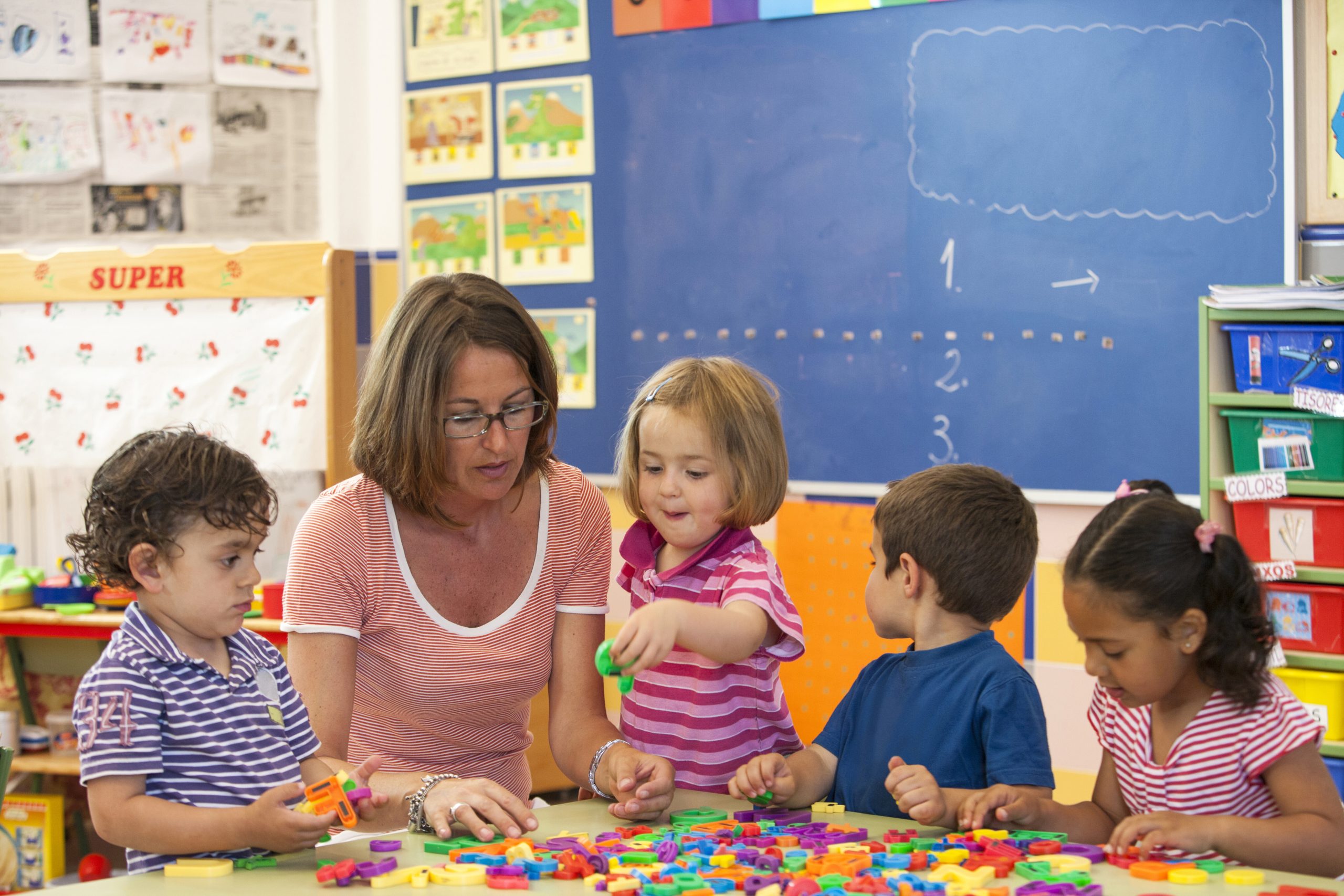
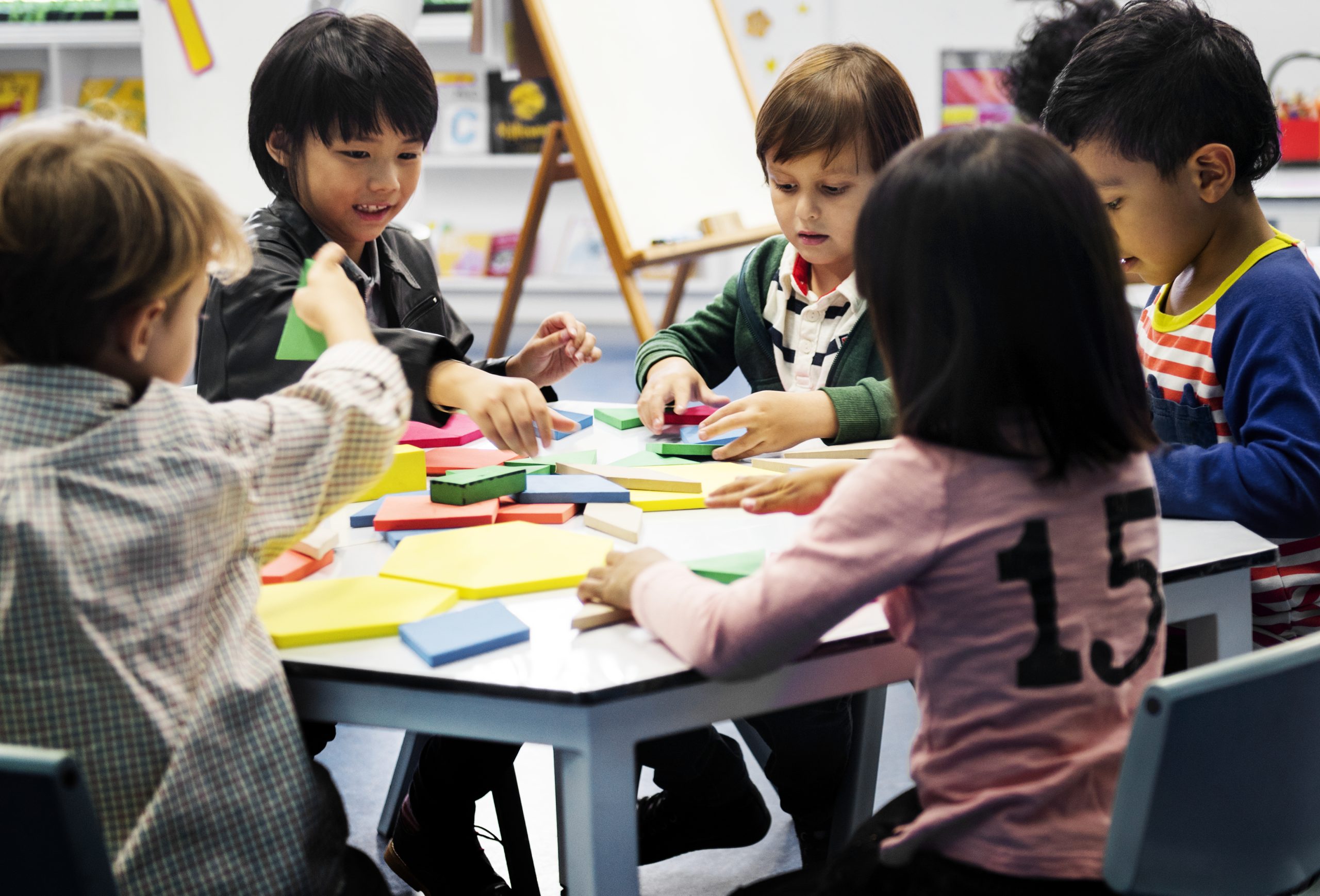
Play based learning encourages creativity, communication, critical thinking, and collaboration. These skills are crucial for long term academic success and personal development.
For example:
- Building blocks strengthen problem solving and fine motor skills
- Group games teach teamwork and patience
- Storytelling enhances language and imagination
- Outdoor play develops coordination and confidence
- Pretend play supports emotional understanding and communication
At leading childcare Tallawong centres, play is intentionally designed to support development across all learning areas. Children gain valuable experiences while remaining engaged, curious, and motivated.
Independence Is a Key Part of Readiness
True school readiness also involves independence. Starting school often means children are expected to manage simple tasks without constant adult assistance.
These may include:
- Packing away belongings
- Washing hands independently
- Opening lunch containers
- Following routines
- Using the toilet confidently
- Making basic decisions
Children develop independence gradually through encouragement and practice. Educators in quality childcare Tallawong programs create opportunities for children to take responsibility in age appropriate ways.
Small achievements help children build confidence in their abilities. Over time, this confidence supports smoother transitions into school environments.
Social Skills Prepare Children for the Classroom
Social development plays a major role in school readiness. Children entering school are expected to interact with peers, share resources, listen respectfully, and participate in group activities.
These skills are not automatically learned with age. They are developed through guided social experiences.
In early learning environments, children learn how to:
- Take turns during activities
- Cooperate in group play
- Respect boundaries
- Resolve minor conflicts
- Listen and respond appropriately
- Build empathy and understanding
Strong social skills help children feel connected and secure in classroom settings. Children who can form positive relationships are often more engaged and confident learners.
Every Child Develops at Their Own Pace
One of the biggest misconceptions about school readiness is the idea that all children should reach milestones at exactly the same time.
In reality, child development is highly individual. Some children excel socially but need support with communication. Others may show advanced academic understanding while still developing emotional confidence.
Comparisons can create unnecessary pressure for both parents and children. Instead of focusing on rigid expectations, families benefit from observing their child’s unique strengths, interests, and developmental progress.
Experienced educators in childcare Tallawong centres understand the importance of personalised support. By recognising each child’s individual journey, educators can provide nurturing experiences that encourage growth without pressure.
How Parents Can Support School Readiness at Home?
Parents play a vital role in preparing children for school. Simple daily experiences can support development in meaningful ways.
Some effective strategies include:
- Encouraging conversations and storytelling
- Reading together regularly
- Practising routines consistently
- Allowing children to make small choices
- Supporting independent tasks
- Creating opportunities for social interaction
- Encouraging curiosity and questions
Most importantly, children benefit from reassurance and emotional support. Positive encouragement helps children approach new experiences with confidence rather than fear.
Choosing the Right Early Learning Environment
A supportive early learning environment can make a significant difference in a child’s school readiness journey. Families seeking childcare Tallawong services should look for centres that prioritise holistic development rather than purely academic preparation.
A quality early learning centre focuses on:
- Emotional wellbeing
- Play based learning
- Social development
- Communication skills
- Individualised support
- Safe and nurturing environments
- Strong family partnerships
When children feel secure, supported, and valued, they are more likely to develop the confidence and resilience needed for a successful transition to school.
Final Thoughts
School readiness is not simply about reaching a certain age or mastering academic tasks. It is about preparing children emotionally, socially, physically, and cognitively for the exciting journey ahead.
Rather than asking whether a child can already perform school tasks, parents may benefit from asking a different question. Does my child feel confident, curious, independent, and emotionally secure?
In nurturing childcare Tallawong environments, children are given the time, support, and opportunities they need to develop these essential foundations naturally. Every child’s path to school readiness is unique, and with the right guidance, children can enter school not only prepared to learn but ready to thrive.