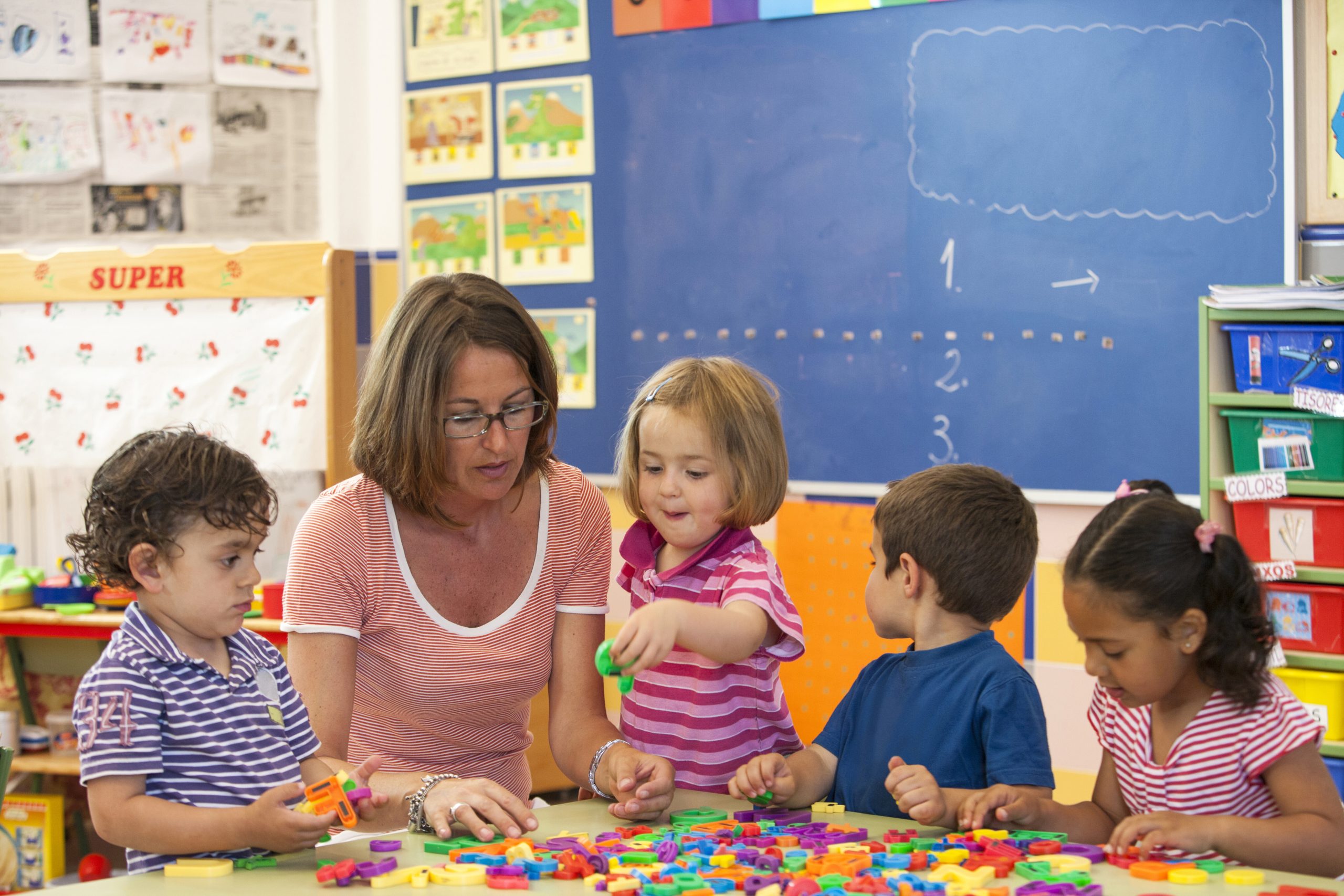
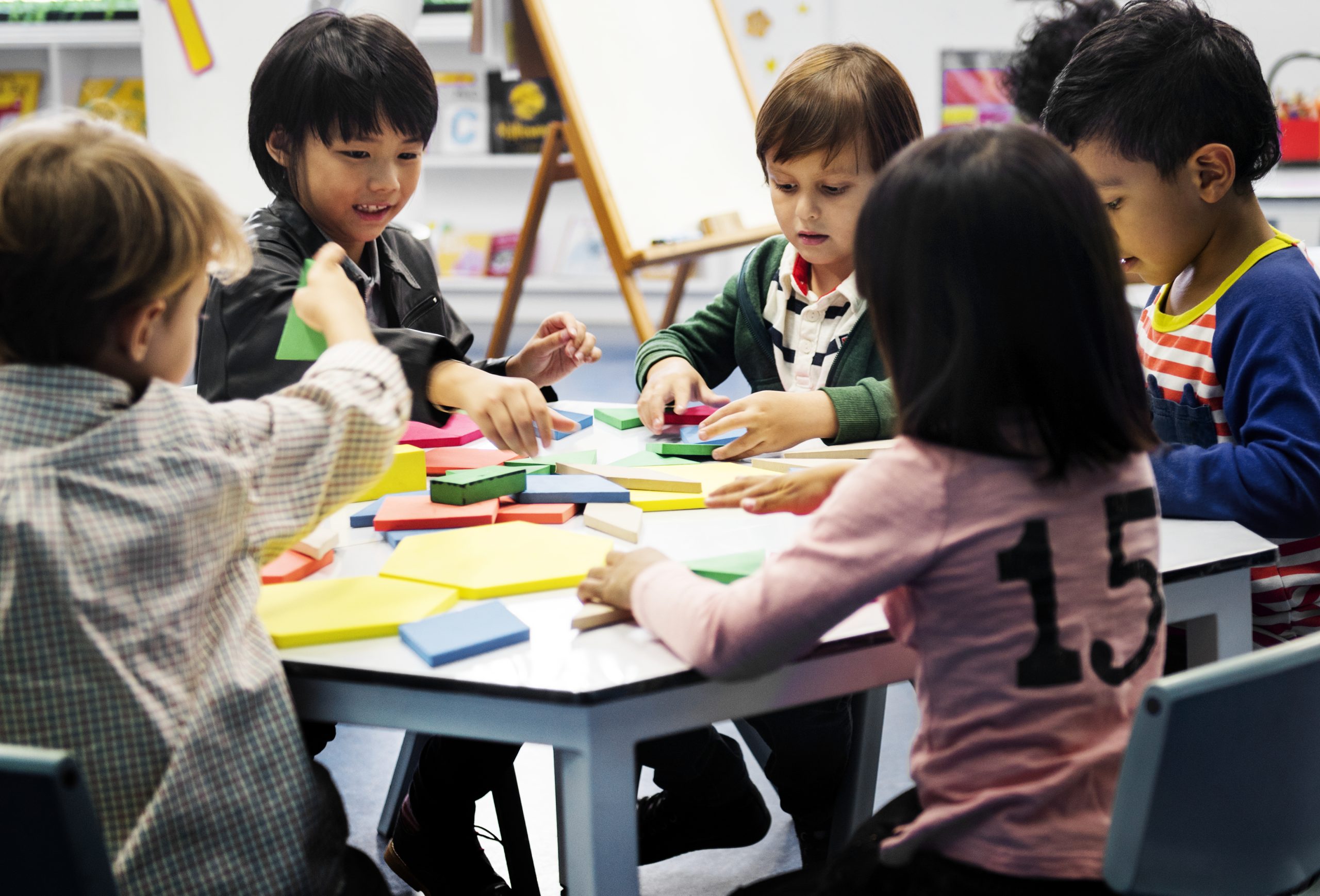
Every parent dreams of seeing their child grow into a confident, curious, and capable individual. While major milestones often receive the most attention, it is often the small, everyday moments that have the greatest influence on a child’s development. In quality childcare Rouse Hill environments, educators are increasingly embracing micro-learning as an effective approach to supporting children’s growth through meaningful and engaging learning experiences.
Micro learning focuses on short, purposeful interactions that occur naturally throughout the day. Whether children are counting steps during outdoor play, identifying colours while creating artwork, or learning new vocabulary during story time, these experiences contribute to their cognitive, social, emotional, and physical development.
What Is Micro Learning in Early Childhood Education?
Micro learning involves providing children with learning opportunities in small and manageable segments. Rather than relying solely on structured lessons, children develop knowledge and skills through everyday interactions, conversations, and activities that are integrated into daily routines.
Families seeking early learning Rouse Hill services often appreciate this approach because it allows children to learn naturally through exploration and play. Young children are naturally curious, and micro learning supports their desire to discover, question, and engage with the world around them.
For example, a simple conversation during snack time about different fruits can introduce concepts such as colours, textures, shapes, and healthy eating habits. These small experiences build upon one another, creating a strong foundation for future learning.
Why Micro Learning Works for Young Children?
Children learn best when information is presented in ways that are engaging and easy to understand. Micro learning aligns with the developmental needs of young learners by introducing concepts gradually and consistently.
Improved Engagement
Short learning experiences help maintain children’s attention and enthusiasm. Interactive discussions, hands-on activities, and spontaneous learning opportunities encourage active participation throughout the day.
Better Knowledge Retention
Children are more likely to remember information when it is introduced through frequent and meaningful experiences. Repetition within everyday routines helps reinforce learning and supports long-term understanding.
Encourages Curiosity
Micro learning creates opportunities for children to ask questions, investigate ideas, and explore their interests. This helps develop critical thinking and problem-solving skills from an early age.
Supports Individual Learning Styles
Every child learns differently. Educators can adapt learning experiences to suit each child’s interests, strengths, and developmental stage, creating more personalised learning outcomes.
Examples of Micro Learning in Childcare Settings
Across quality childcare Riverstone centres, educators incorporate micro learning into many aspects of the daily routine.
Morning Conversations
Greeting children each morning provides valuable opportunities to build communication skills and emotional awareness. Educators may discuss the weather, talk about plans for the day, or encourage children to share their thoughts and feelings.
Story Time Exploration
Books introduce children to new vocabulary, ideas, and experiences. Asking open-ended questions during story time encourages comprehension, imagination, and critical thinking.
Outdoor Discovery
Outdoor environments provide endless opportunities for learning. Children may count leaves, observe insects, discuss weather patterns, or explore natural materials while developing important observation skills.
Mealtime Learning
Shared meals encourage social interaction, independence, and communication. Educators can introduce conversations about healthy eating, different foods, and cultural experiences.
Creative Expression
Art and craft activities help children explore colours, shapes, patterns, and textures while expressing their creativity and building fine motor skills.
These everyday moments demonstrate how meaningful learning can occur naturally throughout the day.
The Role of Educators in Micro Learning
Successful micro learning relies on skilled educators who can recognise and respond to teachable moments. Early childhood professionals understand that learning opportunities can emerge at any time and use these moments to extend children’s thinking and understanding.
For example, if a child notices a butterfly during outdoor play, an educator may encourage discussion about insects, habitats, colours, or life cycles. These spontaneous learning opportunities help children connect new knowledge to real-world experiences.
Families searching for preschool Rouse Hill programmes often value educators who take a responsive approach to learning, recognising each child’s unique interests and developmental journey.
How Micro Learning Supports School Readiness
School readiness involves much more than recognising letters and numbers. Children also need communication skills, emotional resilience, confidence, independence, and problem-solving abilities.
Micro learning supports the development of these essential skills through consistent everyday experiences. Small interactions throughout the day encourage children to communicate effectively, cooperate with others, follow instructions, and think independently.
Whether children attend childcare near Riverstone or participate in early learning programmes elsewhere in the local community, these ongoing learning experiences help prepare them for a successful transition to school.
Supporting Learning Beyond the Early Learning Environment
The benefits of micro learning continue beyond the classroom. Families can reinforce learning through simple daily activities at home.
Reading together, discussing everyday experiences, counting objects around the house, or exploring local parks can all provide valuable learning opportunities. These experiences help children make connections between home and their early learning environment.
For families seeking childcare near Tallawong Station, choosing a centre that values family partnerships can further strengthen children’s learning and development outcomes.
Creating Strong Foundations Through Small Moments
The early years are filled with countless opportunities for growth, discovery, and learning. While major milestones are important, it is often the small moments that create the strongest foundations for future success.
Quality childcare Tallawong and surrounding communities are increasingly recognising the value of micro learning as a powerful way to nurture curiosity, confidence, and lifelong learning habits. Through meaningful interactions, responsive teaching, and everyday experiences, children develop essential skills one small moment at a time.
At Little Foundations Early Learning, we understand that every conversation, question, and discovery contributes to a child’s development. By creating engaging learning experiences throughout the day, we help children build the confidence, knowledge, and skills they need for future success.
Because when it comes to early childhood education, small moments truly create big impacts.