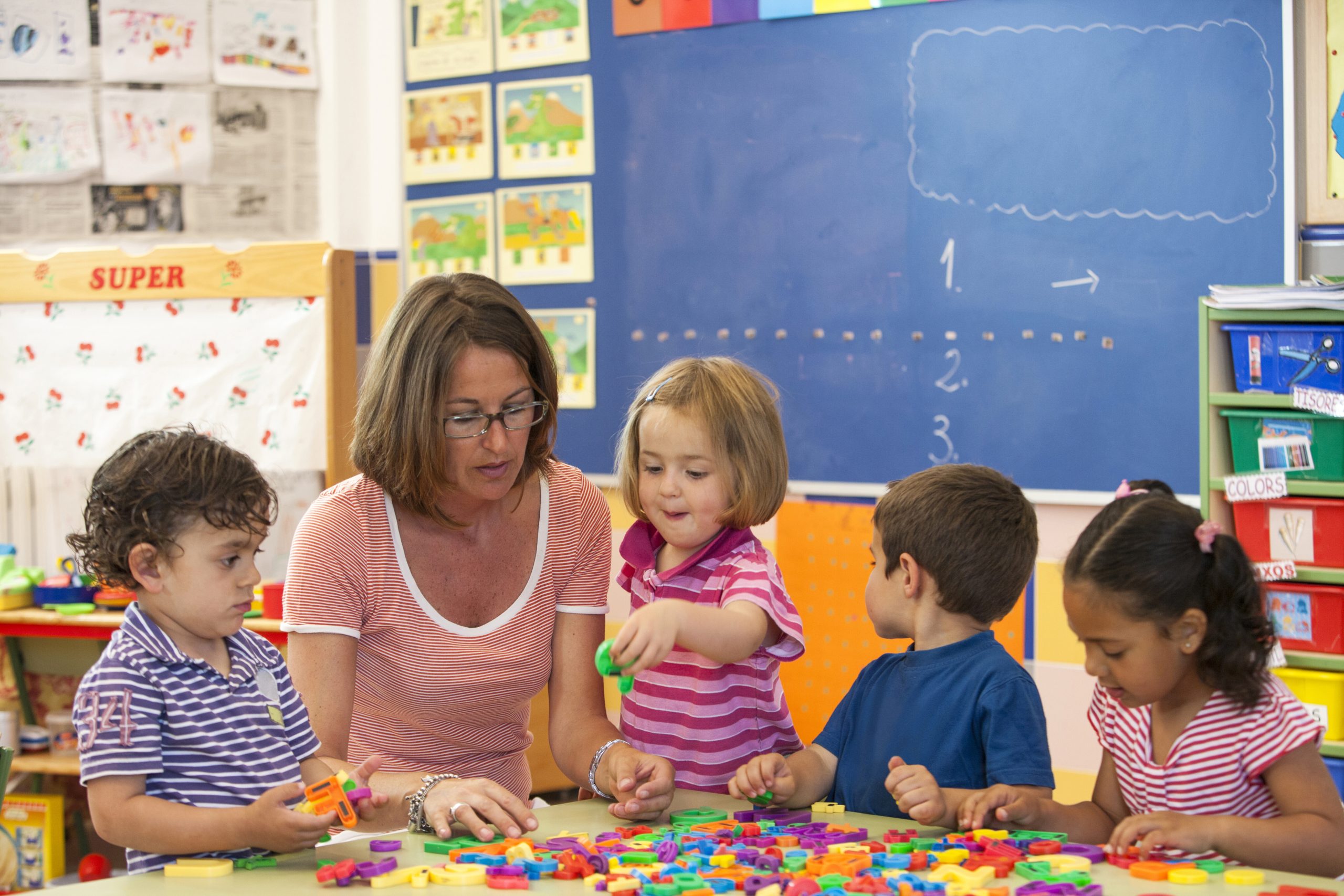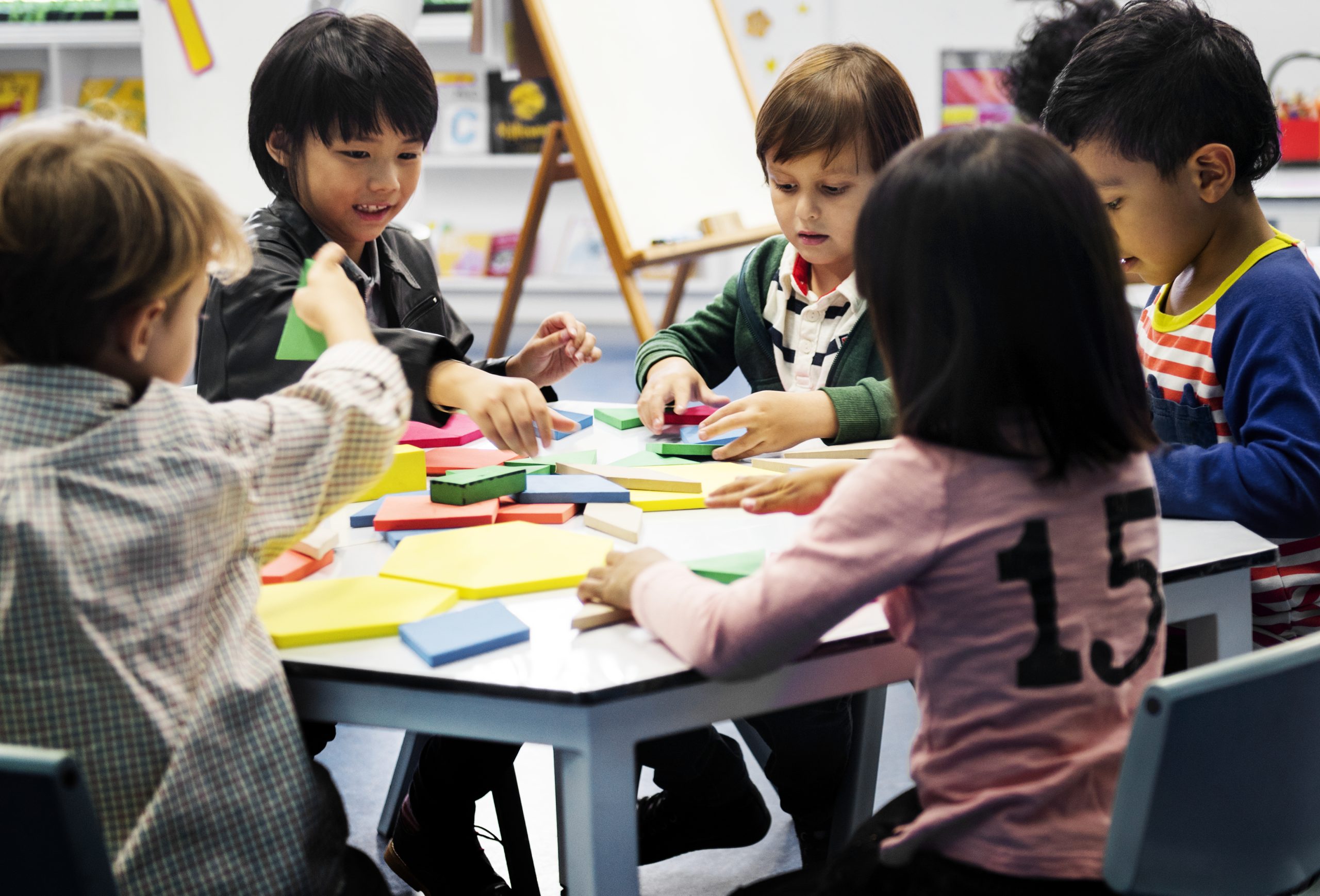
Every child communicates differently. While some eagerly share stories about their day, others express themselves through facial expressions, behaviour, body language, creativity, or play. In early learning Rouse Hill environments, recognising these subtle forms of communication is an essential part of quality early childhood education.
By paying close attention to these cues, educators gain valuable insights into children’s needs, interests, strengths, and emotions. This understanding forms the foundation of responsive and meaningful learning experiences.
The Importance of Looking Beyond Words
Young children are still developing their language skills. They may not yet have the vocabulary to describe complex feelings such as anxiety, frustration, excitement, or uncertainty. Instead, these emotions often appear through actions and behaviours.
For example, a child who suddenly becomes withdrawn may be adjusting to a new routine. Another child who repeatedly engages in dramatic play might be processing experiences from home or exploring new social concepts.
In early learning Rouse Hill settings, educators are trained to interpret these signals with care and sensitivity. Rather than making assumptions, they observe patterns over time to gain a deeper understanding of what each child may be communicating.
This thoughtful approach helps children feel seen, heard, and valued, even before they can fully articulate their thoughts.
Understanding Non Verbal Communication
Children communicate in many ways beyond spoken language. Non verbal communication includes body language, facial expressions, gestures, tone of voice, and behaviour.
An educator may notice that a child avoids certain activities, seeks extra reassurance during transitions, or becomes particularly animated during outdoor play. These observations provide important information about the child’s comfort levels, interests, and developmental needs.
At Little Foundations Early Learning, educators use these insights to tailor experiences that support each child’s growth. This responsive approach strengthens relationships and creates an environment where children feel safe to explore and learn.
Families across North West Sydney increasingly recognise the value of early learning environments that prioritise emotional awareness alongside educational development.
The Educator Role in Building Trust
The educator role extends far beyond supervising activities or teaching basic skills. Educators become trusted adults who help children navigate new experiences, build confidence, and develop a sense of belonging.
Trust forms through consistent interactions and genuine connection. Educators who take time to understand each child’s personality can respond in ways that nurture security and self esteem.
For some children, this may involve offering encouragement during group activities. For others, it may mean providing quiet spaces where they can recharge before rejoining their peers.
Within The Hills District, families often seek early learning services that foster strong relationships between educators and children. These bonds support emotional resilience and contribute significantly to positive learning outcomes.
Observation as a Tool for Learning
Observation is one of the most valuable aspects of the educator role in early childhood settings. By carefully watching how children engage with their environment, educators can identify emerging interests and developmental milestones.
A child who spends extended periods constructing elaborate block structures may be demonstrating advanced problem solving abilities. Another who frequently initiates imaginative games may be developing strong leadership and social skills.
These observations guide curriculum planning within early learning Rouse Hill programmes. Activities can then be adapted to reflect children’s interests while supporting broader learning objectives.
This intentional practice ensures that learning remains meaningful, engaging, and relevant to each child.
Strengthening Communication with Families
Effective communication between educators and families is equally important. Parents know their children best, and their insights provide valuable context that supports continuity between home and the early learning environment.
Regular conversations about a child’s experiences, achievements, and challenges help educators develop a more comprehensive understanding of their needs.
Families throughout North West Sydney appreciate transparent partnerships that encourage collaboration and shared decision making. When educators and parents work together, children benefit from consistent support that enhances both confidence and wellbeing.
This partnership also reassures parents that their child is receiving attentive and personalised care.
Supporting Emotional Development
Understanding children beyond words plays a significant role in emotional development. When educators recognise and respond to non verbal cues, children learn that their feelings matter.
This validation helps children develop emotional literacy over time. They begin to identify emotions, express themselves more effectively, and build strategies for managing challenges.
The educator role involves guiding children through these experiences with patience and empathy. Whether comforting a child who misses home or celebrating small achievements, educators help children develop resilience and self awareness.
These skills form the foundation for positive relationships and future success in school and beyond.
Creating Inclusive Learning Environments
Every child deserves to feel understood and accepted. By embracing diverse forms of communication, educators create inclusive environments where all children can participate meaningfully.
Some children may communicate through movement, creativity, or observation before using words confidently. Recognising and respecting these differences promotes a culture of belonging.
For families in Rouse Hill, The Hills District, and across North West Sydney, inclusive early learning environments provide reassurance that every child’s individuality will be celebrated.
This commitment to inclusion strengthens children’s confidence and encourages them to embrace their authentic selves.
Conclusion
Children have countless ways of telling us who they are, even without words. Through observation, empathy, and meaningful relationships, educators uncover these stories and use them to support each child’s unique journey.
At Little Foundations Early Learning, we believe that understanding children beyond words is at the heart of exceptional early learning Rouse Hill experiences. The educator role is not simply to teach but to listen, interpret, guide, and nurture through every stage of development.
For families seeking quality early learning in Rouse Hill, North West Sydney, and The Hills District, choosing an environment that values authentic communication can make all the difference. When children feel truly understood, they gain the confidence to explore, connect, and take their next steps with curiosity and joy.