Every parent remembers those little moments when their child says a new word, tells a funny story or begins asking endless questions about the world around them. These moments may seem simple, but they represent important steps in a child’s development. Learning to communicate helps children express their needs, share their feelings, build relationships and make sense of the world around them.
For families in Schofields, choosing an early learning environment that encourages communication can make a meaningful difference during these important early years. At Little Foundations Early Learning, we understand that language development is not something that only happens during structured activities. It happens throughout the day through conversations, play, stories, songs, interactions and everyday experiences.
For families looking for childcare Schofields options, understanding how an early learning environment supports communication can help you make an informed choice for your child.
What Is Language Development?
Language development refers to the way children learn to understand and use words and communication. It includes listening, speaking, understanding instructions, learning new vocabulary, expressing ideas and eventually using language to communicate increasingly complex thoughts.
Children develop these skills at different rates. Some may begin talking early, while others take more time to find their voice. What matters is providing children with supportive opportunities to communicate, explore language and interact with people around them.
A nurturing early learning environment can provide many of these opportunities naturally throughout the day.
Why Language Development Matters in Early Learning?
Language is closely connected to many areas of childhood development. When children develop their communication skills, they can express their thoughts and emotions more confidently and participate more actively in their surroundings.
Good communication skills can also support children’s social development. Being able to ask a friend to join a game, explain an idea or tell an educator how they feel can help children build relationships and manage everyday interactions.
At Little Foundations Early Learning, children are encouraged to communicate through play based experiences and everyday interactions. Educators can listen carefully to children’s ideas, respond to their questions and introduce new words in ways that are meaningful to each child’s interests.
Conversations Build Vocabulary
One of the simplest ways children learn language is through conversation.
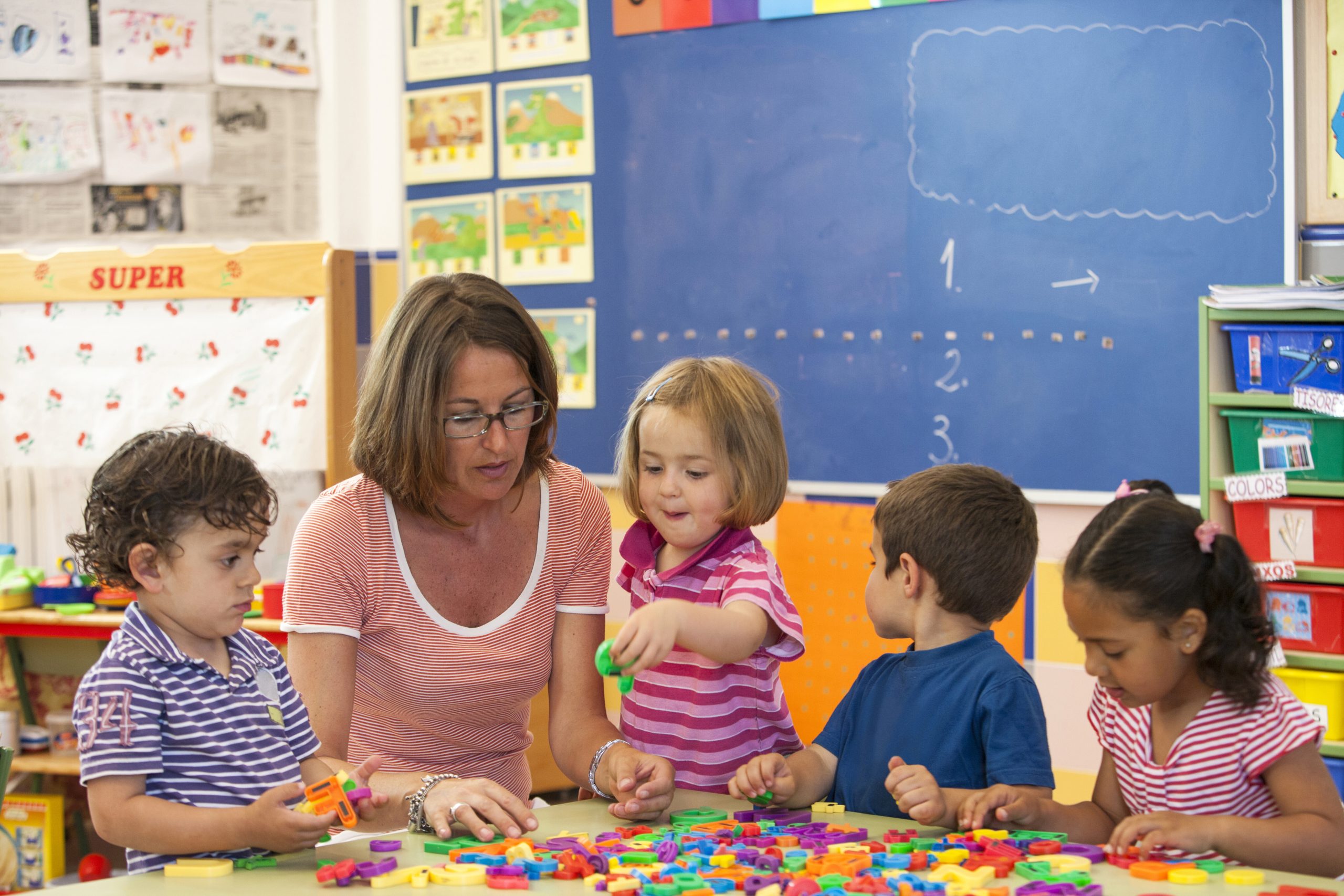
Every interaction provides an opportunity to introduce new vocabulary. An educator might talk about the colours, shapes and textures children notice during an activity or encourage them to describe what they are creating.
These conversations help children connect words with experiences. Instead of simply memorising vocabulary, children hear words being used in meaningful situations.
For families considering childcare Schofields, an environment where educators genuinely engage with children can provide valuable opportunities for language development throughout the day.
Stories Encourage Imagination and Communication
Reading stories is another important part of supporting language development.
When children listen to stories, they hear different words, sentence structures and ways of expressing ideas. They can also begin to understand characters, emotions, sequences and cause and effect.
Educators can encourage children to talk about what they think might happen next, describe their favourite character or retell parts of a familiar story.
These conversations can help children develop vocabulary while also supporting comprehension and imagination.
At Little Foundations Early Learning, books and storytelling can become opportunities for children to listen, participate and share their own ideas rather than simply listening passively.
Songs and Rhymes Make Language Fun
Young children often enjoy songs, rhymes and repetitive language. These activities can make communication engaging while helping children become familiar with sounds, words and rhythm.
Repeating a favourite song can help children remember new vocabulary and become more confident joining in. Rhymes can also encourage children to listen carefully to sounds and recognise patterns in language.
For children attending preschool Schofields families can feel comfortable choosing, these experiences can make language learning feel natural and enjoyable.
Play Provides Everyday Language Opportunities
Play is one of the most valuable ways children learn during their early years. Imaginative play, construction, outdoor activities and group games can all encourage communication.
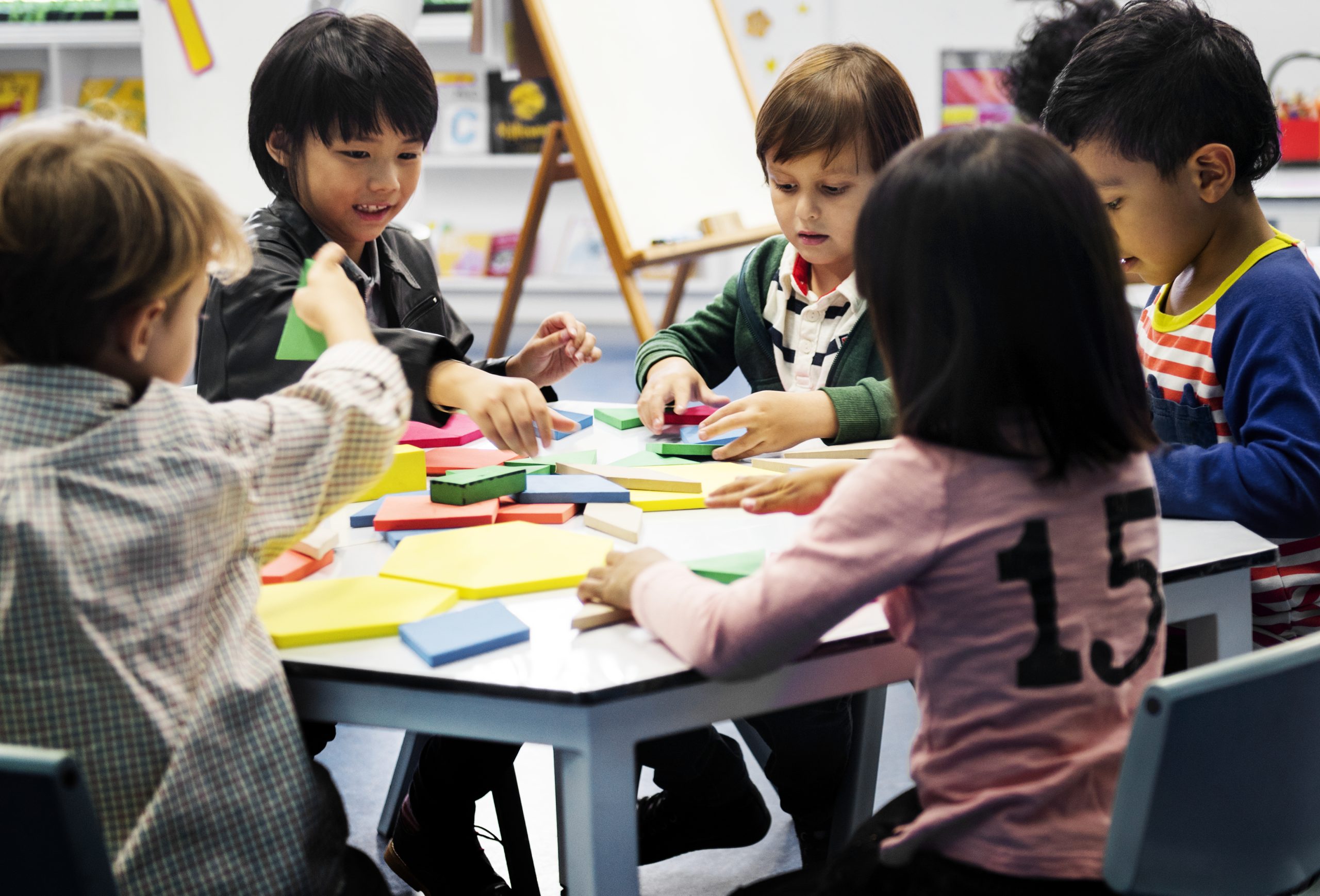
For example, children playing in a pretend shop may practise words related to buying, selling, food and money. Children building with blocks may talk about what they are creating, ask for materials or work together to solve a problem.
These experiences show why early learning is about much more than formal lessons. Children can develop important communication skills while participating in activities that interest them.
Supporting Social and Emotional Development
Language development is also closely connected with children’s emotional wellbeing.
Children need communication skills to tell adults when they are happy, worried, frustrated or excited. As their vocabulary develops, they can increasingly explain what they are feeling instead of relying only on behaviour to communicate.
Educators can support this process by helping children name emotions and encouraging them to talk about their experiences.
Learning phrases such as “I feel sad”, “Can I have a turn?” or “I need help” can give children practical tools for navigating everyday situations.
Creating a Strong Foundation for School
Language skills developed during the early years can provide a valuable foundation for future learning.
Children who are comfortable listening, asking questions, following conversations and expressing their ideas are better positioned to participate in classroom experiences as they progress towards school.
This does not mean children need to be reading or writing before starting school. Early language development is about building communication, listening and comprehension skills in ways that are appropriate for their age and stage.
For families searching for preschool Schofields options, considering how a centre supports these foundational skills can be an important part of the decision.
Language Development at Little Foundations Early Learning
Every child has their own personality, interests and pace of development. At Little Foundations Early Learning, our approach is centred around creating meaningful experiences where children feel comfortable expressing themselves, asking questions and connecting with others.
Located in Rouse Hill, our early learning environment supports families across North West Sydney and The Hills District, including families from Schofields and surrounding communities.
We believe children learn best when they feel safe, valued and encouraged to explore. Through conversations, storytelling, songs, play and everyday interactions, children can develop communication skills while enjoying their early learning journey.
Helping Your Child Grow Through Communication
Language development begins from the earliest years and continues as children experience new people, places and ideas. Every conversation, story, song and playful interaction can give children another opportunity to learn.
For families looking for childcare Schofields families can trust, Little Foundations Early Learning provides a nurturing environment where communication and play are part of everyday learning.
Discover how our early learning programs can support your child’s development, confidence and curiosity as they take their next steps towards school and beyond.