Every parent wants their child to feel safe, loved and supported as they take their first steps towards independence. From making their first friend to learning how to share, communicate and explore the world, these early experiences help shape who they become. Yet, raising a child is not something families have to do alone. Children thrive when the people around them work together to create a caring, supportive environment.
At Little Foundations Early Learning, we recognise that strong community connections play an important role in early childhood development. For families seeking quality childcare in Rouse Hill, North West Sydney and The Hills District, a connected early learning community can help children feel a sense of belonging while building positive relationships with educators, families and the wider community.
Why Community Connections Matter in Early Childhood?
The saying “it takes a village to raise a child” reflects the importance of having a supportive network around every child. Parents, educators, extended family members and community groups can all contribute to a child’s learning, wellbeing and development.
During the early years, children learn by observing others, asking questions and participating in everyday experiences. Positive relationships help them understand how to communicate, express their feelings and interact with different people.
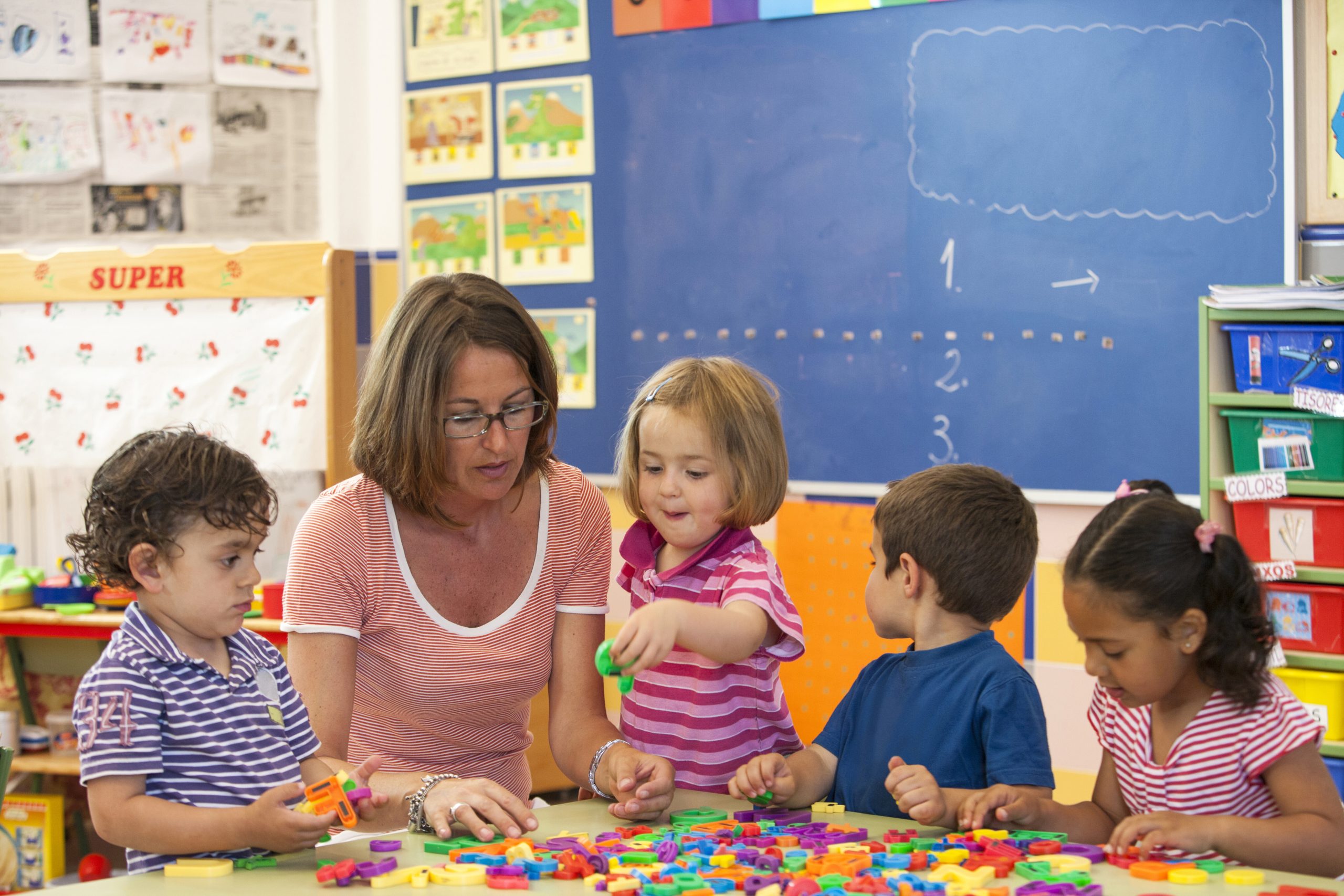
When families and early childhood educators work together, children benefit from consistent support between home and their early learning environment. This partnership helps create familiarity, trust and a stronger sense of security.
At Little Foundations Early Learning, community connections can support a welcoming environment where children feel valued and encouraged to explore their interests.
Building Strong Relationships Between Families and Educators
A positive relationship between families and educators is one of the foundations of quality early learning. Parents know their children best, including their personalities, interests, routines and individual needs. Educators bring professional knowledge and experience in supporting children’s learning and development.
When both work together, they can share valuable information and create a more consistent experience for each child.
Regular conversations about a child’s day, achievements, friendships and interests help parents understand their progress. Likewise, sharing information about changes at home, new interests or important milestones can help educators provide appropriate support.
For families looking for childcare near Rouse Hill, open communication is an important consideration when choosing an early learning centre. Feeling comfortable asking questions and discussing concerns can strengthen trust and help families feel involved in their child’s learning journey.
Helping Children Develop a Sense of Belonging
A sense of belonging helps children feel accepted, secure and confident. When children recognise familiar faces, develop friendships and feel that their contributions matter, they are more likely to participate in activities and explore new experiences.
Community connections help create this feeling of belonging. Simple experiences such as welcoming new families, celebrating children’s achievements and encouraging group activities can help children feel included.
For example, children may work together on a shared artwork, participate in a group gardening activity or help prepare for a special event. These experiences encourage cooperation and show children that everyone has something valuable to contribute.
In a diverse community such as North West Sydney, families may bring different traditions, experiences and perspectives to an early learning environment. Respecting these differences can help children develop an appreciation for others and understand that every family has its own story.
Encouraging Social Skills Through Everyday Experiences
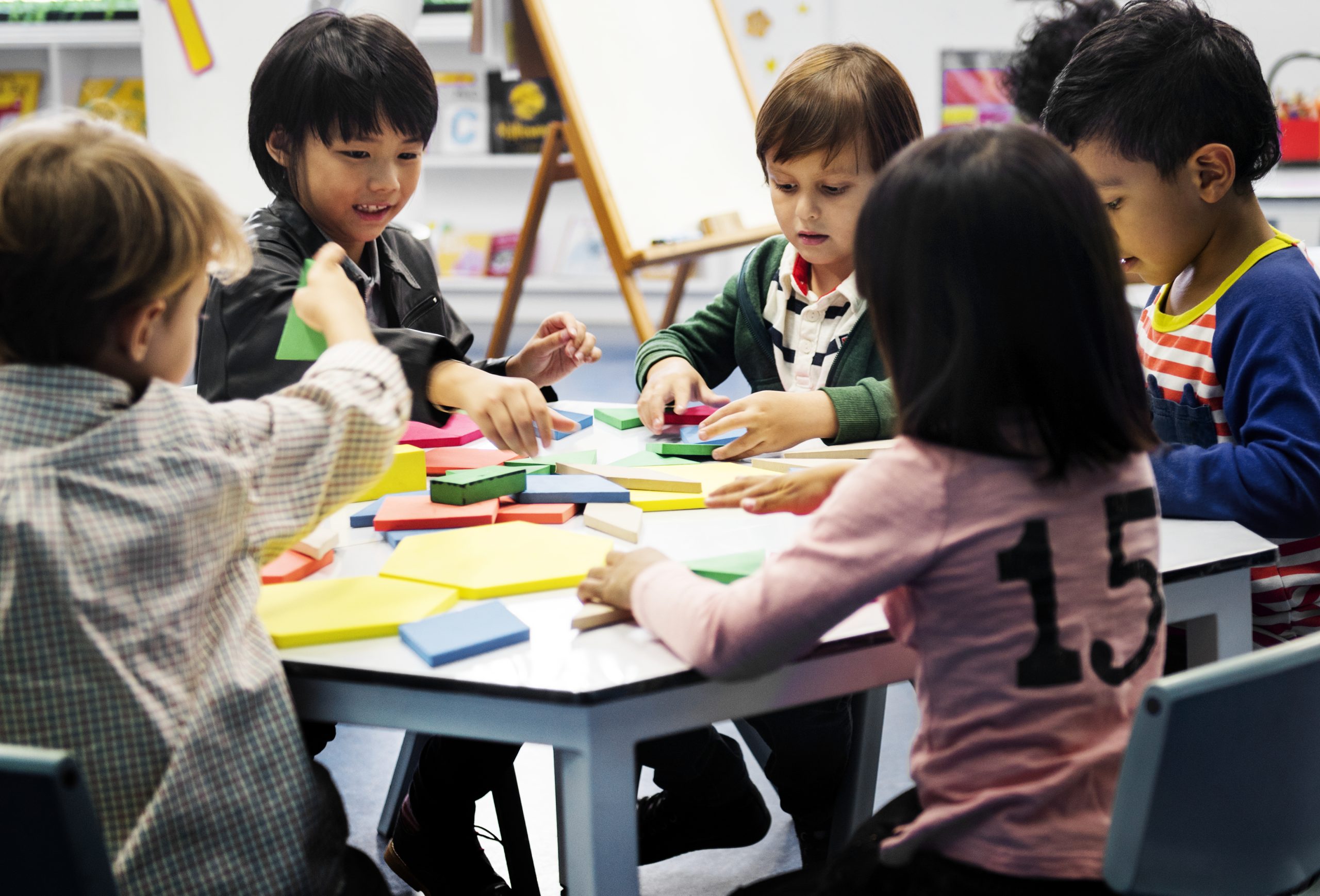
Children develop important social skills through regular interactions with other children and adults. Learning to take turns, listen to others, share resources and resolve small disagreements takes time, practice and patient guidance.
A connected early learning community provides many opportunities to develop these skills naturally.
Group activities encourage children to communicate their ideas, cooperate with friends and understand different points of view. Educators can support these interactions by modelling respectful communication, helping children identify their feelings and guiding them towards positive solutions.
These experiences also encourage empathy. When children learn to recognise how another person feels, they begin to understand the importance of kindness, fairness and consideration.
As children grow, these early social experiences can help them feel more confident forming friendships and participating in different community settings.
Connecting Children With the Wider Community
Learning does not happen only inside an early learning centre. The wider community can provide meaningful opportunities for children to discover the world around them.
Local parks, libraries, gardens and community events can introduce children to new places, people and experiences. These everyday outings may encourage conversations about nature, community helpers, public spaces and the importance of caring for shared environments.
For families in Rouse Hill and The Hills District, local surroundings can offer opportunities to extend children’s learning beyond the home and childcare setting. Visiting a library, observing plants in a garden or enjoying a family walk can inspire curiosity and support language development.
When early learning experiences connect with familiar places and everyday life, children can begin to understand their role within the community and develop confidence exploring their surroundings.
Supporting Families Through a Connected Early Learning Environment
Community connections are valuable for parents as well as children. Starting childcare can bring a mixture of excitement, questions and uncertainty, particularly for families navigating a new routine for the first time.
A welcoming early learning environment can help parents feel more comfortable by encouraging communication, sharing information and creating opportunities to build relationships with educators and other families.
Over time, these connections can help parents exchange experiences, celebrate milestones and feel more involved in their child’s development.
For families balancing work, home responsibilities and childcare arrangements, knowing that their child is part of a caring community can provide reassurance. Strong partnerships also make it easier to discuss individual needs and work towards shared goals for each child’s wellbeing.
Creating a Strong Foundation for Lifelong Learning
The relationships children develop during their early years can influence how they approach friendships, learning and new experiences as they grow. Feeling supported by trusted adults and included within a community helps children build confidence, independence and emotional resilience.
At Little Foundations Early Learning, we believe that every child deserves opportunities to feel connected, respected and encouraged. By valuing family partnerships, positive relationships and meaningful community experiences, early learning can become a shared journey that supports children’s development in many ways.
If you are searching for childcare near Rouse Hill, North West Sydney or The Hills District, consider the importance of a centre that values connections between children, families, educators and the wider community.
Discover Little Foundations Early Learning and explore how a supportive early learning environment can help your child build friendships, develop confidence and feel a true sense of belonging.