When parents begin searching for the right childcare Tallawong families can trust, they often look for clean facilities, qualified educators and engaging learning programs. While these factors are certainly important, one element stands above the rest in shaping a child’s development and happiness: emotional safety.
Children thrive when they feel secure, valued and understood. Emotional safety creates the foundation for confidence, curiosity, resilience and strong social connections. At Little Foundations Early Learning, creating a nurturing environment where every child feels emotionally supported is a key part of delivering high quality early education and care.
What Is Emotional Safety in Early Learning?
Emotional safety refers to a child’s sense of feeling accepted, respected and protected within their environment. In early childhood settings, this means children feel comfortable expressing emotions, building relationships and exploring the world around them without fear of judgement or rejection.
For young children, emotional safety is closely linked to trust. When educators consistently respond with kindness, patience and understanding, children begin to develop confidence in themselves and others. This sense of security positively impacts every area of development, including communication, behaviour, learning and overall wellbeing.
In quality childcare Tallawong centres, emotional safety is not treated as an optional extra. It is woven into daily routines, interactions and learning experiences.
Why Emotional Safety Matters for Child Development?
The early years are a critical period for emotional and social growth. During this stage, children learn how to manage feelings, interact with peers and build healthy relationships. A supportive environment helps children develop these essential life skills with confidence.
Children who experience emotional safety are more likely to:
- Develop positive self esteem
- Build secure attachments with educators and peers
- Feel confident trying new experiences
- Improve communication and social skills
- Regulate emotions more effectively
- Engage actively in learning activities
When children feel emotionally secure, their minds are more open to creativity, exploration and learning. This directly contributes to stronger emotional wellbeing and long term development outcomes.
The Connection Between Emotional Safety and Wellbeing
A child’s wellbeing extends beyond physical health. Emotional wellbeing plays a major role in shaping behaviour, learning and social interactions. Children who feel safe and supported are more likely to experience reduced anxiety and increased confidence.
In early learning environments, emotional wellbeing is encouraged through positive relationships, predictable routines and respectful communication. Educators who listen attentively and respond with empathy help children feel heard and valued.
At Little Foundations Early Learning, supporting wellbeing means recognising each child as an individual. Every child has unique emotions, interests and ways of communicating. By taking the time to understand these differences, educators can provide personalised support that helps children feel secure and connected.
Building Trust Through Consistent Relationships
Strong relationships are central to emotional safety. Children feel more comfortable when they know their educators genuinely care about them. Consistency in caregiving allows children to build trust and form meaningful connections.
Simple daily interactions can have a powerful impact. Greeting children warmly, acknowledging their feelings and celebrating small achievements all contribute to a positive emotional environment.
Families also play an important role in building this sense of trust. Open communication between parents and educators helps create consistency between home and childcare settings. This partnership supports children’s emotional wellbeing and helps them feel secure throughout their day.
For families searching for reliable childcare Tallawong services, strong educator child relationships are often one of the clearest signs of a nurturing and supportive centre.
Creating Calm and Inclusive Learning Environments
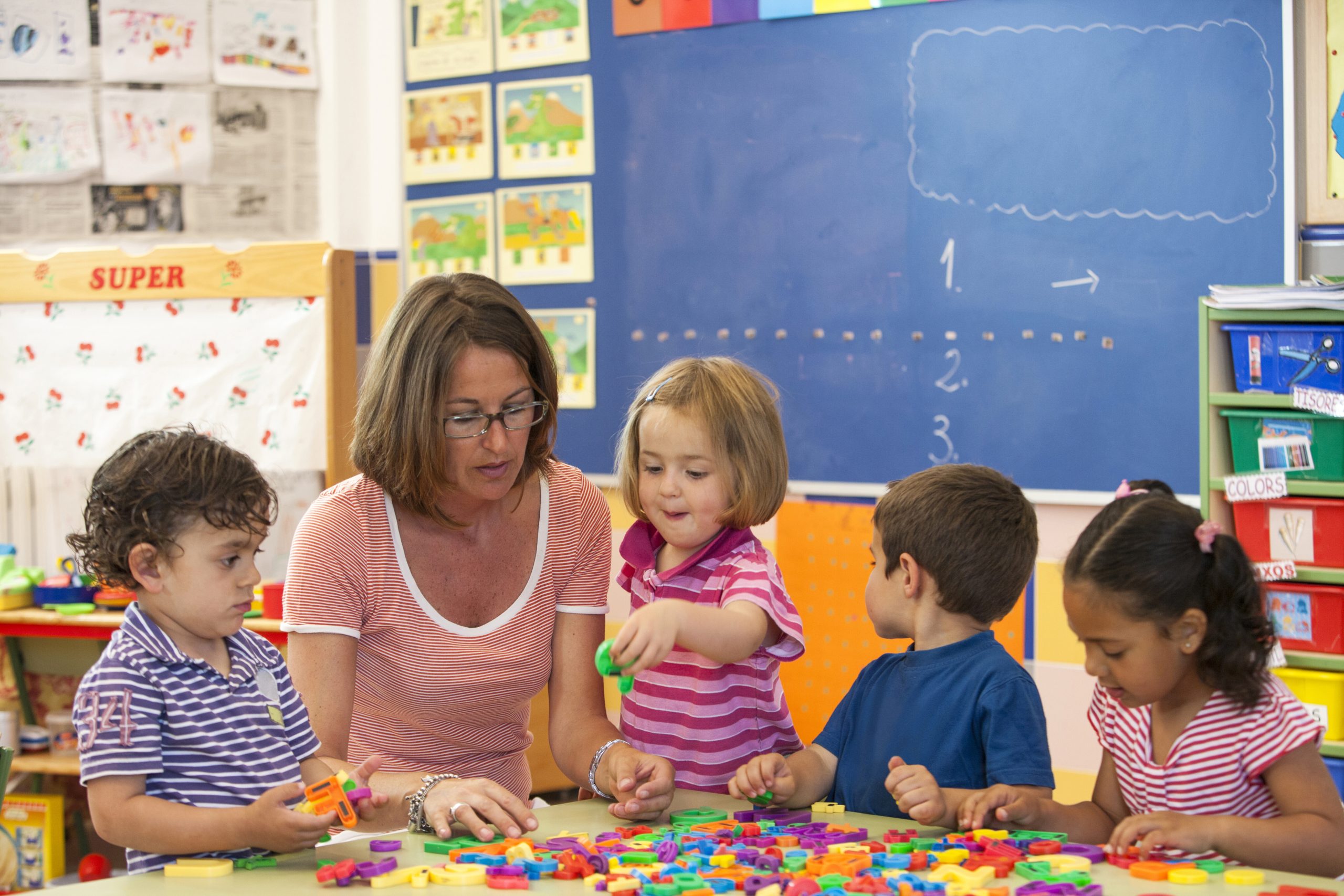
The physical environment also influences emotional safety. Calm, organised and welcoming spaces help children feel comfortable and relaxed. Children benefit from environments where they can explore freely while knowing support is always nearby.
Inclusive practices are equally important. Every child deserves to feel accepted and valued regardless of their background, abilities or personality. Encouraging kindness, empathy and respect helps children develop a sense of belonging.
Quality early learning centres create opportunities for children to:
- Express emotions in healthy ways
- Participate in group experiences confidently
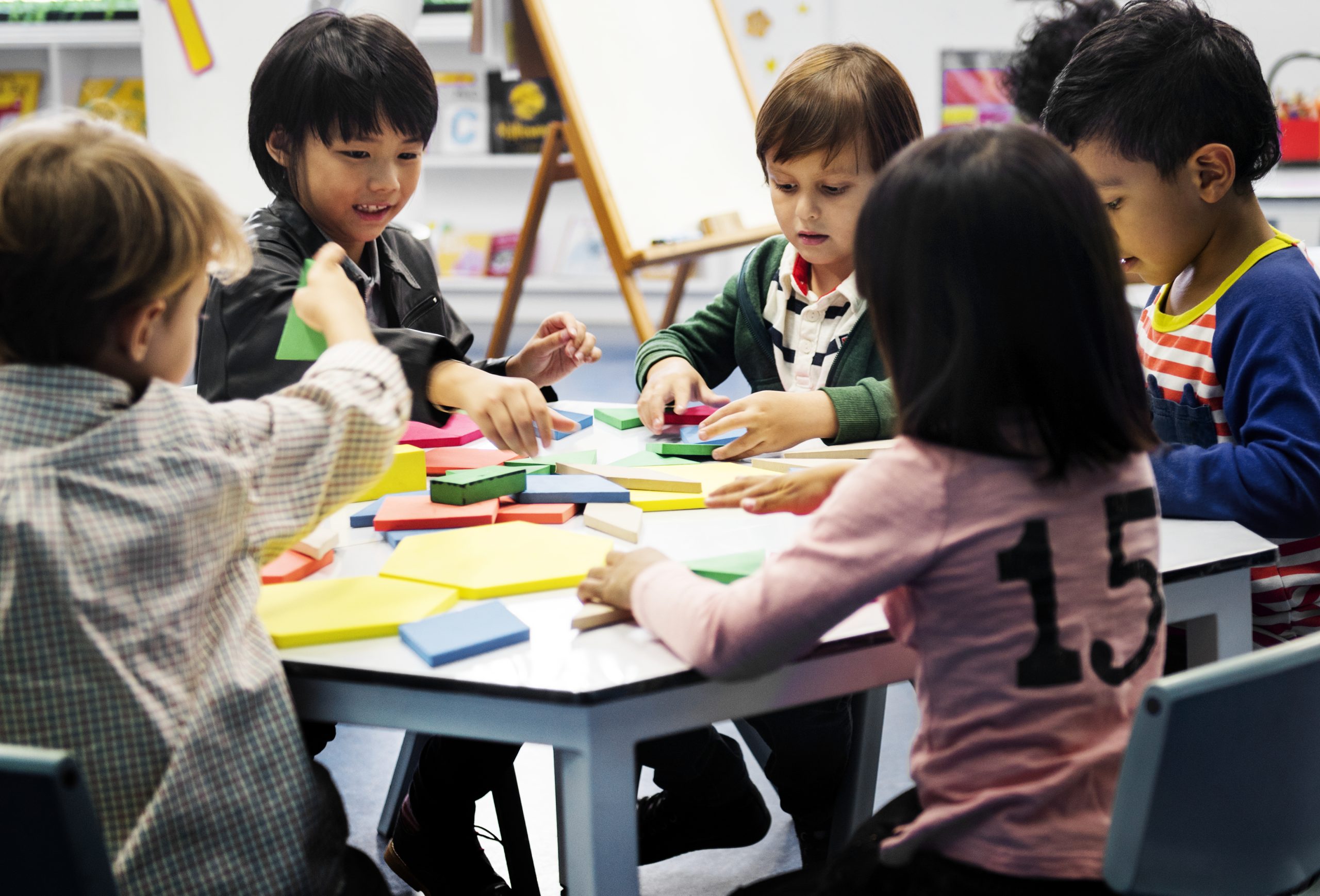
- Build friendships through guided play
- Learn problem solving and cooperation skills
- Develop independence at their own pace
These experiences strengthen emotional wellbeing and help children develop social confidence that extends into later life.
Supporting Emotional Safety Through Play
Play is one of the most effective ways children process emotions and build confidence. Through imaginative play, storytelling, music and creative activities, children learn to express feelings and understand social situations.
Educators can support emotional safety during play by encouraging cooperation, modelling positive behaviour and helping children navigate challenges calmly. Rather than focusing only on outcomes, emotionally supportive environments value the learning process itself.
Children who feel emotionally safe during play are more likely to take healthy risks, ask questions and engage with new ideas. This supports both emotional growth and cognitive development.
The Role of Educators in Emotional Development
Educators have a significant influence on how children experience childcare. Compassionate and responsive educators help children feel safe, especially during transitions or challenging moments.
An emotionally supportive educator will:
- Listen carefully to children’s thoughts and feelings
- Respond calmly and respectfully
- Encourage positive behaviour through guidance
- Help children identify and manage emotions
- Foster confidence through encouragement and praise
These everyday interactions build the emotional foundations children need to succeed in learning and relationships.
At Little Foundations Early Learning, emotional safety is prioritised alongside education and care. By creating nurturing relationships and supportive experiences, children are encouraged to grow with confidence and curiosity.
Choosing Childcare That Prioritises Emotional Safety
When selecting childcare Tallawong families should consider more than academic programs or convenience. Observing how educators interact with children can provide valuable insight into the emotional environment of a centre.
Parents may wish to look for signs such as:
- Warm and respectful communication
- Calm and positive learning spaces
- Educators who respond attentively to children
- Opportunities for social and emotional learning
- Strong partnerships with families
A centre that prioritises emotional safety creates an environment where children feel valued every day.
Final Thoughts
Emotional safety is the foundation of quality early learning. When children feel secure, respected and supported, they are more likely to develop confidence, resilience and a lifelong love of learning.
At Little Foundations Early Learning, fostering emotional wellbeing is at the heart of creating meaningful learning experiences for every child. By prioritising emotional safety, children are given the opportunity to flourish socially, emotionally and academically in a nurturing environment designed to support their growth.