Starting school is a major milestone for every child and for families too. The early years before school play a crucial role in shaping how confidently and successfully children step into this next stage of life. At Little Foundations Early Learning, we believe that quality early learning experiences give children the skills, confidence and curiosity they need to thrive in school and beyond.
Research consistently shows that children who participate in high-quality early childhood programs experience smoother school transitions and stronger long-term outcomes. Let’s explore how early learning supports a positive start to formal education and sets children up for lifelong success.
Building Strong Learning Foundations Early
The first five years of life are a period of rapid brain development. During this time, children form the cognitive, social and emotional skills that become the building blocks for later learning. High-quality early learning programs focus on creating learning foundations for school by encouraging curiosity, problem-solving and independence.
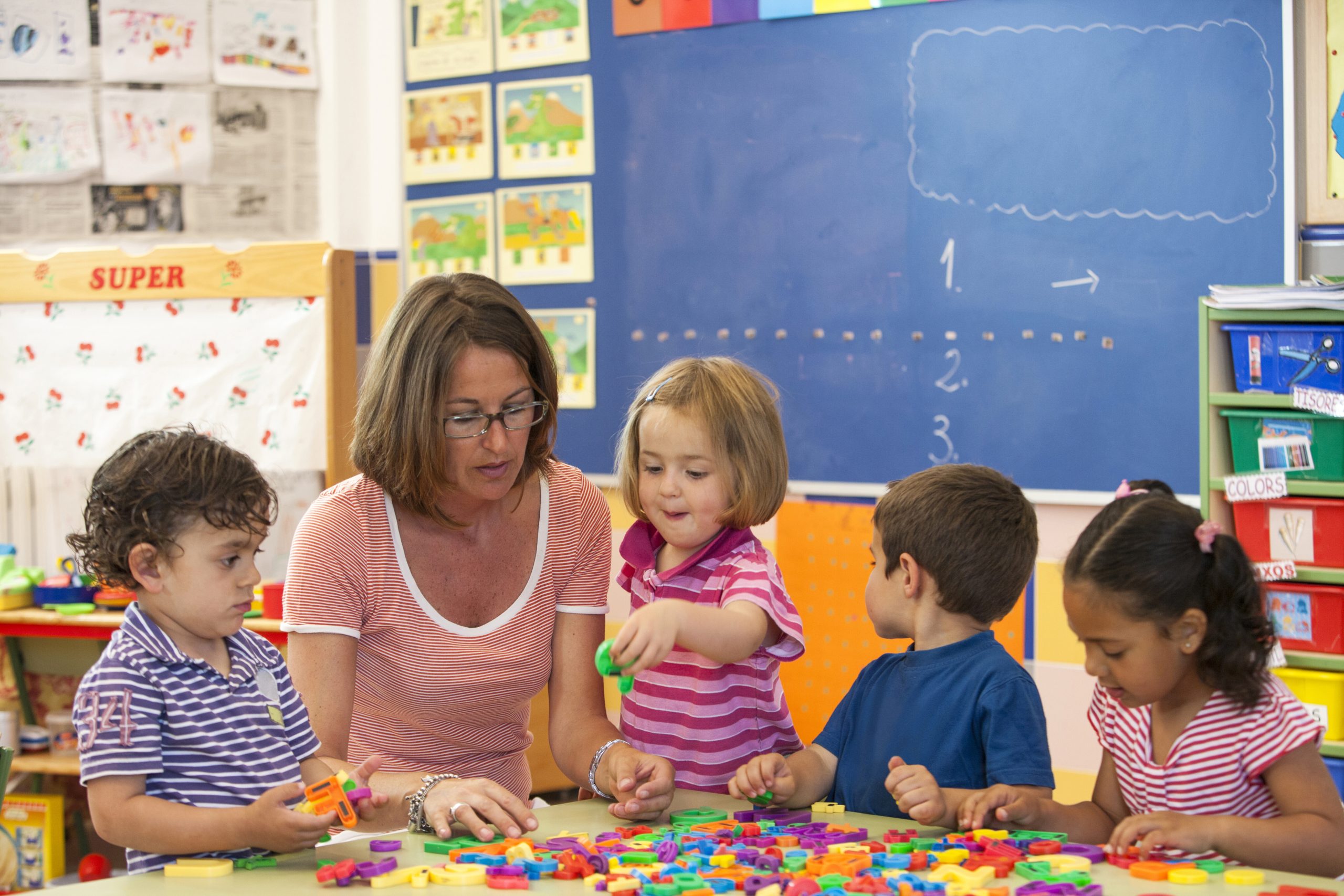
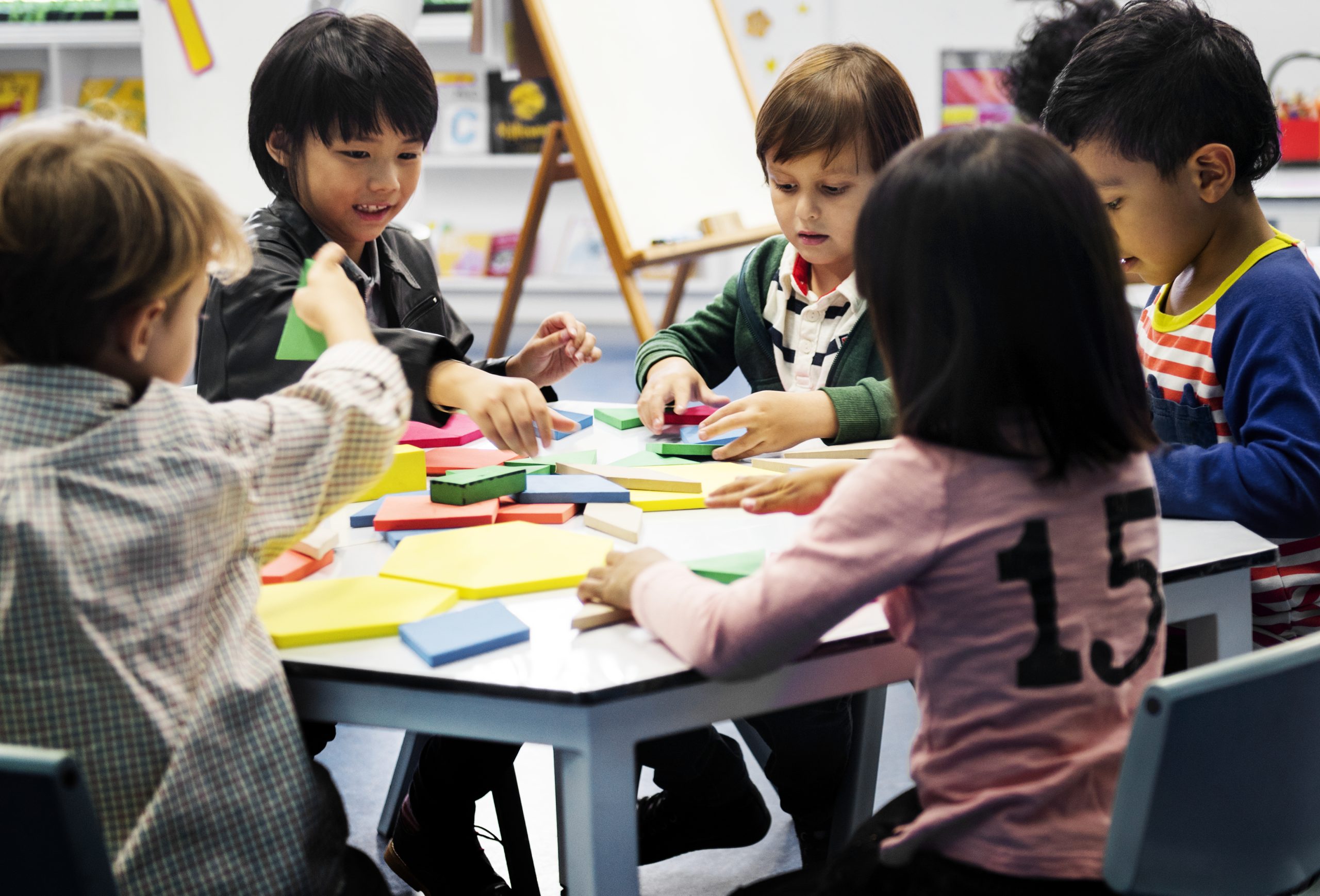
Through play-based learning, children develop early literacy and numeracy skills, such as recognising letters, counting, listening and following instructions. These skills are not taught through pressure or rigid instruction, but through engaging, age-appropriate experiences that make learning enjoyable and meaningful.
Strong early foundations help children approach school with confidence rather than anxiety, contributing directly to early learning and school success.
Supporting Social and Emotional Development
School readiness is about more than knowing numbers and letters. Children also need social and emotional skills to manage the classroom environment, form friendships and respond to new challenges.
Early learning environments support children to:
- Share and take turns
- Express emotions appropriately
- Build resilience and self-regulation
- Develop confidence in group settings
These abilities are essential for a smooth transition to school, helping children feel secure, supported and ready to participate in classroom life. When children can manage emotions and interact positively with others, they are better able to focus on learning and adapt to new routines.
Encouraging Independence and Confidence
One of the most important aspects of formal education preparation is helping children become confident, independent learners. In early learning settings, children are encouraged to make choices, try new tasks and take responsibility for small routines such as packing away resources or caring for personal belongings.
This sense of independence fosters self-belief and motivation, qualities that are vital in a school environment. Children who feel capable and confident are more likely to engage actively in learning, ask questions and persevere when faced with challenges.
The Benefits of Quality Early Childhood Education
The early childhood education benefits extend well beyond the first years of school. Studies show that children who attend quality early learning programs are more likely to:
- Perform well academically
- Develop strong communication skills
- Show positive behaviour and social skills
- Maintain a love of learning throughout their schooling years
In Australia, early learning programs are guided by the Early Years Learning Framework (EYLF), which supports holistic development and ensures children are learning through play, relationships and meaningful experiences. High-quality preschool education Australia focus on nurturing the whole child, not just academic readiness.
Creating a Positive Transition to School
A successful transition to school happens when children feel prepared, confident and excited about starting formal education. Early learning centres play a key role by introducing school-like routines in a gentle and supportive way, such as group learning times, structured activities and collaborative play.
Educators also work closely with families to support each child’s individual needs, ensuring consistency between home, early learning and school. This partnership approach helps children feel safe and understood during this important transition.
Laying the Pathway for Lifelong Learning
At Little Foundations Early Learning, we understand that the early years are about more than preparing children for school, they’re about preparing them for life. By focusing on strong learning foundations for school, nurturing confidence and supporting emotional wellbeing, early learning creates a positive pathway into formal education.
When children experience engaging, supportive and high-quality early learning, they don’t just start school ready, they start school thriving. This is the power of early learning and why investing in the early years makes such a lasting difference.