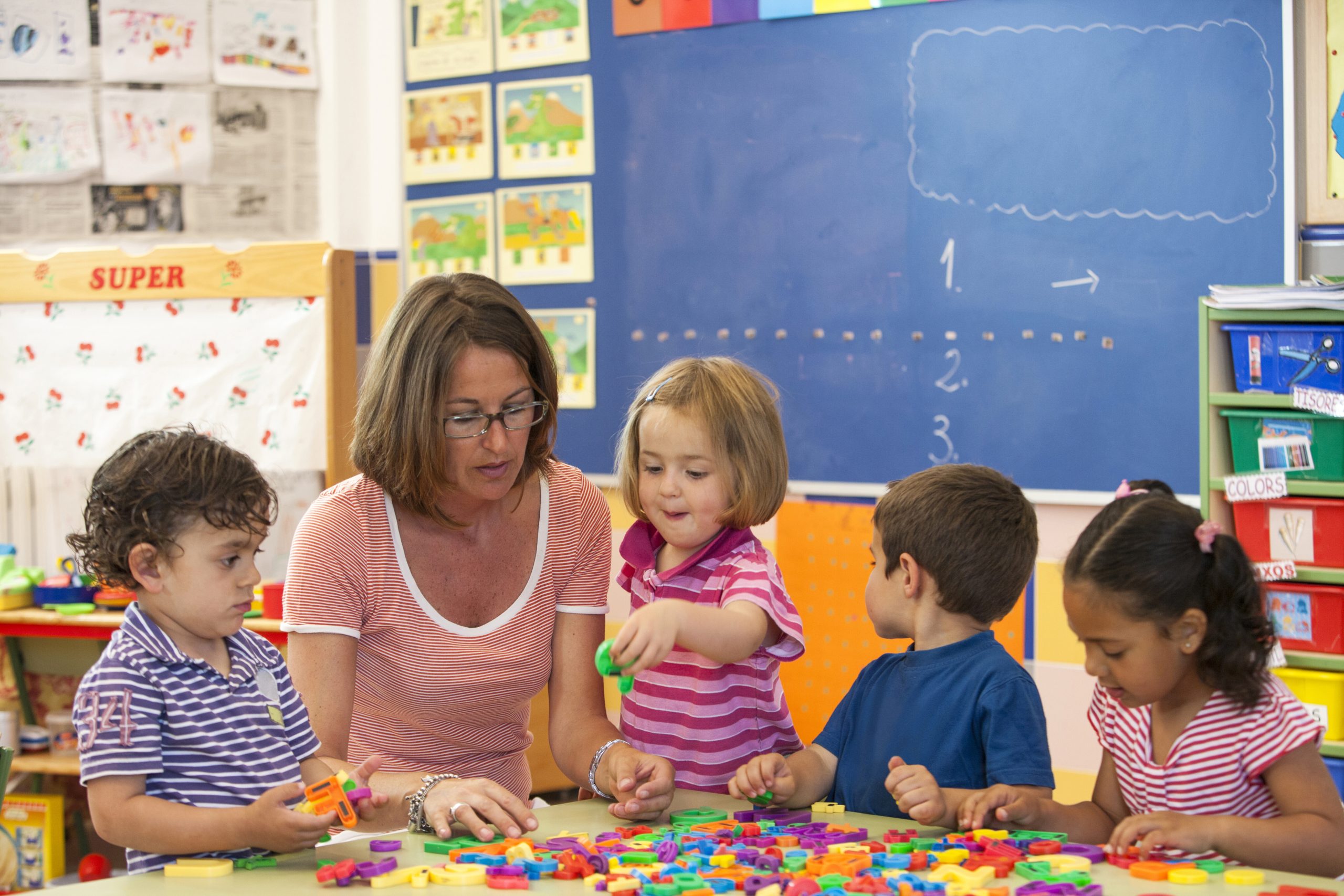
Starting childcare is a major milestone for both children and parents. The first month often brings a mix of excitement, nerves, curiosity, and adjustment. Families searching for trusted childcare services in Rouse Hill usually focus on routines, learning programmes, and safety, but the emotional transition during the first 30 days is equally important.
At Little Foundations Early Learning, we understand that the early days of childcare shape how children feel about learning, social connection, and independence. While every child adapts differently, there are a few things that truly matter most during this important period. From building trust to creating predictable routines, the first month lays the foundation for a positive childcare experience.
Why the First 30 Days Matter So Much?
The transition into childcare is more than simply attending a new environment. It is a significant emotional and developmental step for young children. During these early weeks, children begin learning how to separate confidently from parents, interact with educators, explore unfamiliar surroundings, and establish new routines.
Families looking for quality childcare centres in Rouse Hill often want to know how long settling in takes. The truth is that there is no universal timeline. Some children adapt within days, while others need several weeks before they feel fully comfortable. What matters most is consistent support, patience, and communication between families and educators.
The first month is also when children start developing trust. They learn whether their environment feels safe, nurturing, and predictable. When children feel secure, they are more willing to explore, participate, and connect with others.
The Importance of a Strong Child Orientation Process
One of the biggest factors influencing a successful transition is child orientation. Orientation sessions help children become familiar with the childcare environment before officially starting their routine.
During child orientation, children can meet educators, explore play spaces, observe activities, and begin recognising familiar faces. This gradual introduction reduces anxiety and helps children feel more confident when regular attendance begins.
Parents also benefit from child orientation sessions because they gain insight into daily routines, learning approaches, meal schedules, and communication processes. Feeling informed and reassured allows families to project calmness and confidence, which children naturally respond to.
A thoughtful orientation process can make a remarkable difference in settling in successfully. It creates familiarity before the child experiences full separation from parents for extended periods.
Settling In Is About Emotional Safety First
Many parents worry about tears during drop off, but emotional adjustment is a normal part of settling in. Children are learning to manage separation while adapting to a completely new social environment.
The most important factor during settling in is emotional safety. Children need to feel understood, comforted, and supported. Warm interactions from educators help children build trust and security.
Predictable routines also play a major role. Knowing what happens next during the day helps children feel more confident and less overwhelmed. Consistent meal times, play sessions, rest periods, and group activities provide reassurance during the adjustment phase.
Parents can support settling in by maintaining calm and confident goodbyes. Long emotional farewells can sometimes increase anxiety. Short, reassuring departures often help children transition more smoothly into the day.
Communication Between Families and Educators Matters
Open communication during the first month is essential. Families searching for childcare in Rouse Hill often value centres that prioritise regular updates and genuine partnerships with parents.
Educators can provide insight into how children are eating, sleeping, participating, and interacting throughout the day. These updates help parents feel connected and reassured during the transition process.
Equally important is information shared by families. Parents know their child best and can provide valuable details about routines, comfort items, fears, interests, and emotional triggers. This collaboration allows educators to personalise support strategies during settling in.
Children thrive when parents and educators work together consistently. Familiar approaches between home and childcare create stability and strengthen a child’s sense of security.
Social Connections Develop Gradually
Some children naturally engage with others immediately, while some prefer observing from a distance before participating. Both responses are completely normal during the first 30 days.
The early weeks are not about forcing friendships or participation. Instead, they focus on helping children feel safe enough to explore social interactions at their own pace.
Experienced educators understand how to gently encourage connection through shared play, group activities, music, storytelling, and collaborative experiences. Over time, children begin recognising familiar peers and building social confidence naturally.
For many children, the first friendships formed during childcare become an important part of their emotional development and sense of belonging.
Routines Help Children Feel Secure
Children respond positively to consistency. Daily routines create predictability, which is especially important during periods of change.
Simple routines such as arriving at the same time each day, packing familiar comfort items, and following consistent bedtime schedules at home can support smoother settling in.
Within childcare environments, structured routines help children understand expectations and transitions throughout the day. Predictable patterns reduce stress and help children feel more in control of their surroundings.
Families across Rouse Hill often notice that once routines become familiar, children begin transitioning more confidently during morning drop offs.
Independence Builds Naturally Over Time
The first month of childcare is also when children begin developing greater independence. Simple everyday experiences such as washing hands, packing away toys, eating independently, and participating in group activities help children build confidence.
This growth does not happen instantly. Independence develops gradually through encouragement, positive reinforcement, and opportunities to try new things in a supportive environment.
Quality childcare centres in Rouse Hil understand the importance of balancing guidance with independence. Children gain confidence when they are supported without pressure.
Parents are often surprised by how quickly children develop new skills once they feel comfortable within their childcare setting.
Every Child’s Journey Is Different
One of the most important things families should remember is that every child experiences settling in differently. Some children may show excitement from the very first day, while others need additional reassurance and time.
There is no perfect adjustment timeline. Comparing children to others can create unnecessary stress for parents. What truly matters is gradual progress, emotional support, and consistent care.
Celebrating small milestones can help families stay positive during the first month. A confident goodbye, participation in an activity, or talking happily about educators at home are all meaningful signs of progress.
Creating Positive Foundations for the Future
The first 30 days of childcare are not simply about adjusting to a schedule. They are about building trust, emotional security, confidence, and belonging.
At Little Foundations Early Learning, we believe strong early experiences create lasting positive impacts on children’s wellbeing and development. Through supportive child orientation, compassionate educators, structured routines, and meaningful family partnerships, children can transition into childcare feeling safe and valued.
For families exploring childcare options in Rouse Hill focusing on emotional support and connection during the settling in period can make all the difference. When children feel secure in their environment, they are better prepared to learn, grow, and thrive in the months and years ahead.