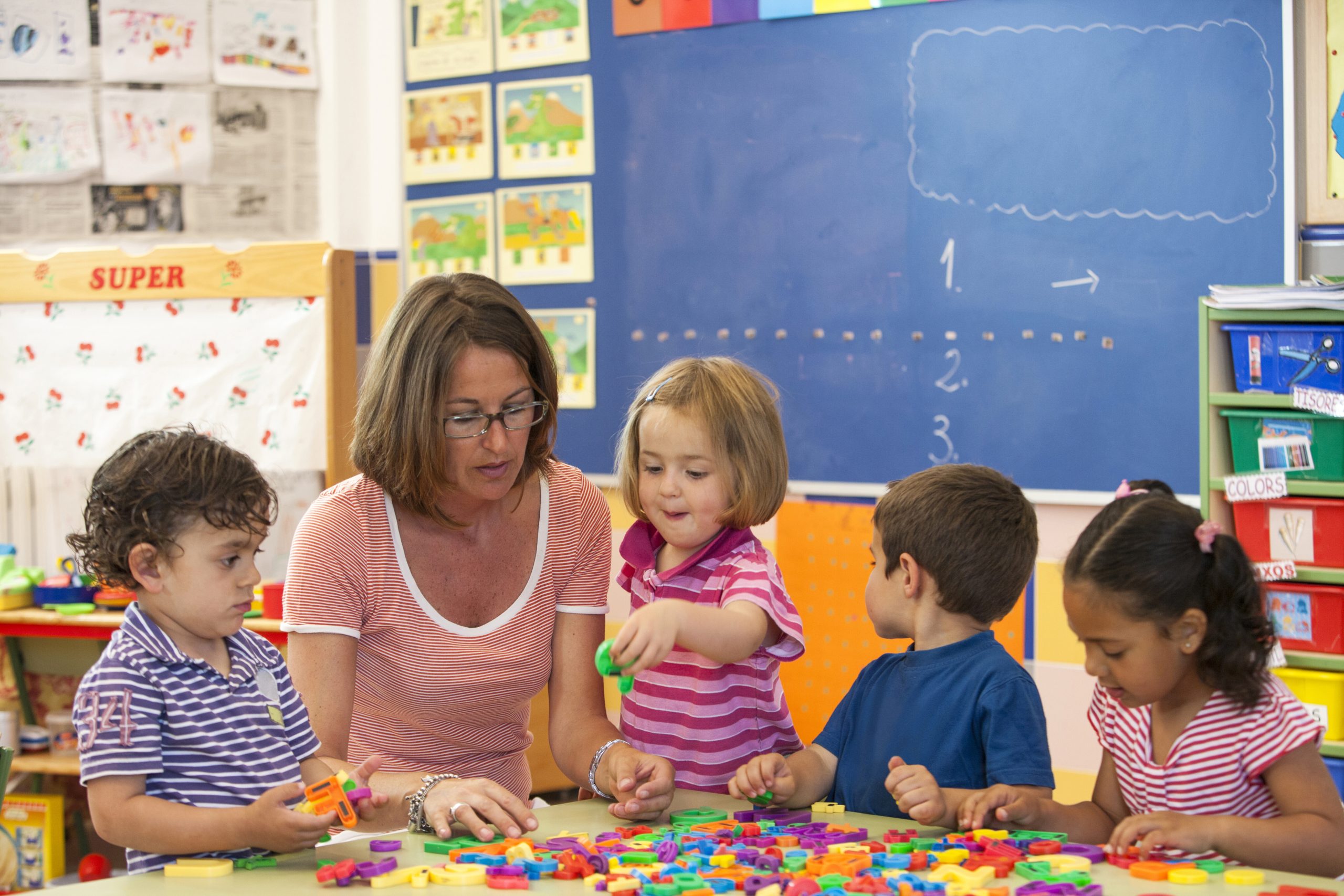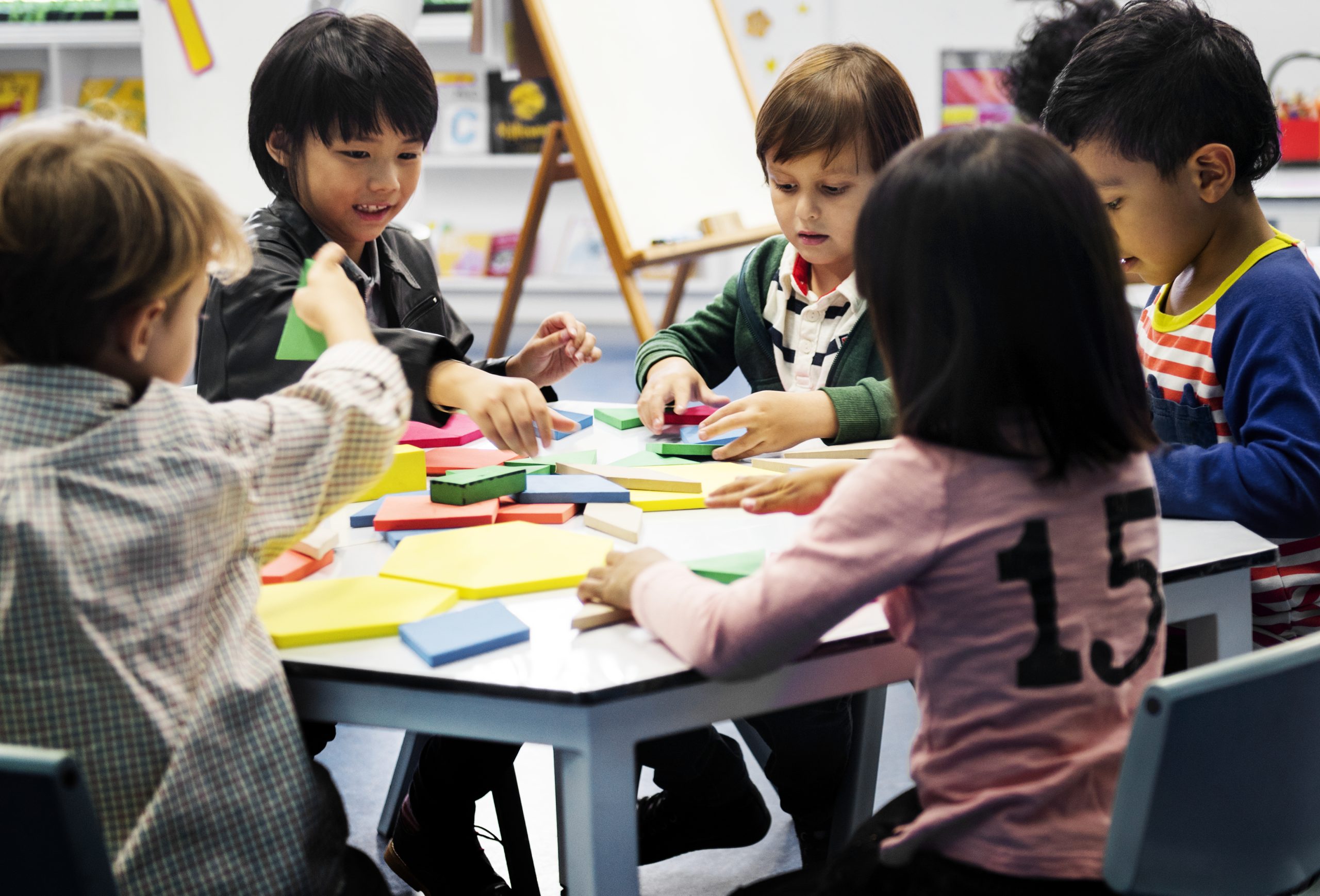
The first day of early learning is often filled with anticipation, excitement, and a few understandable nerves. Parents carefully prepare lunches, take photos at the door, and wonder how their child will settle into a new environment. Surprisingly, many families find that the first few days go better than expected. Their child appears happy, confident, and eager to explore. Then, seemingly out of nowhere, the second week arrives and everything changes.
Suddenly, a child who happily waved goodbye may begin to cling to their parents. Tears may appear at drop off, sleep patterns can change, and emotional outbursts may become more common. This experience is often referred to as the “Second Week Effect”, a completely normal part of the adjustment phase for many young children starting early learning.
Understanding why this happens can help families feel reassured and better prepared as their child begins their journey in early learning Rouse Hill.
What Is the Second Week Effect?
The Second Week Effect describes the period when children begin to show stronger emotional reactions after initially appearing settled in a new early learning environment.
During the first few days, children are often processing a large amount of new information. New faces, routines, activities, sounds, and surroundings can create a sense of excitement and curiosity. At this stage, many children are focused on exploring and observing their new environment.
By the second week, the novelty starts to wear off. Children begin to fully understand that attending early learning is not a one time experience but a regular part of their routine. This realisation can trigger a range of emotions that lead to noticeable behaviour changes.
Rather than being a sign that something is wrong, these reactions often indicate that a child is beginning to understand and adapt to their new circumstances.
Why Do Behaviour Changes Occur?
Young children are still developing the emotional skills needed to process significant life changes. Starting early learning represents a major transition, even when the environment is warm, supportive, and welcoming.
Several factors contribute to behaviour changes during this period.
Growing Awareness of Separation
In the first few days, children may not fully grasp the ongoing nature of the separation from their parents. Once they realise that drop off and pick up will happen regularly, feelings of uncertainty can emerge.
Children may become more emotional at departures or seek additional reassurance from their caregivers.
Mental and Emotional Fatigue
Adjusting to a new environment requires considerable effort. Children are learning new routines, building relationships with educators, and navigating social interactions with peers.
This increased cognitive and emotional activity can be tiring, leading to frustration, irritability, or emotional outbursts at home.
Developing Attachments
An important part of the adjustment phase involves building trust with educators. As children begin forming meaningful connections, they may experience a mix of emotions as they balance their attachment to family members with new relationships.
This process is healthy and necessary for successful adaptation.
Increased Confidence to Express Feelings
Once children begin feeling secure in their new environment, they often become more comfortable expressing emotions they may have been holding back initially.
Parents may notice more tears, frustration, or clinginess, but these reactions can actually be signs that children feel safe enough to communicate their feelings.
Common Signs of the Adjustment Phase
Every child experiences the adjustment phase differently, but some common signs include:
- Increased clinginess at drop off
- Changes in sleeping patterns
- Temporary changes in appetite
- More emotional reactions at home
- Greater need for comfort and reassurance
- Difficulty separating from parents
Occasional regression in behaviours such as toileting or independence skills.
These behaviour changes are generally temporary and tend to decrease as children become more familiar with their surroundings and daily routines.
How Early Learning Supports Children Through This Transition
Quality early learning Rouse Hill centres understand that adjusting to a new environment takes time. Educators are trained to recognise the emotional needs of children during this important transition period.
Consistent routines play a significant role in helping children feel secure. Predictable daily schedules allow children to understand what comes next, reducing anxiety and uncertainty.
Strong educator relationships are equally important. When children develop trusting connections with familiar educators, they gain confidence in exploring their environment and participating in activities.
Educators also provide opportunities for children to express emotions through play, storytelling, art, and conversation. These experiences help children process feelings in age appropriate ways.
How Parents Can Support Their Child
Keeping morning and evening routines predictable provides children with a sense of stability. Consistency helps reduce uncertainty and creates feelings of security.
Maintain Consistent Routines
Keeping morning and evening routines predictable provides children with a sense of stability. Consistency helps reduce uncertainty and creates feelings of security.
Stay Positive and Calm
Children often look to adults for cues about how to respond to new situations. Maintaining a calm and positive attitude can help reassure them that early learning is a safe and enjoyable place.
Acknowledge Feelings
If a child expresses sadness or frustration, it is important to validate those emotions. Letting children know their feelings are understood can help them develop emotional resilience.
Keep Goodbyes Short
While it may feel difficult, lengthy farewells can sometimes increase anxiety. A warm, confident goodbye followed by a consistent departure routine often works best.
Communicate with Educators
Regular communication between families and educators ensures everyone can work together to support the child’s emotional wellbeing and progress.
When Do Children Usually Settle?
There is no universal timeline for adjustment. Some children settle within a few weeks, while others may need several months to feel completely comfortable.
Factors such as temperament, previous social experiences, family circumstances, and individual personality all influence the adjustment process.
What matters most is providing ongoing support, patience, and understanding throughout the journey.
Small Steps Lead to Big Success
The Second Week Effect can feel unexpected for many parents, especially after a positive start. However, these behaviour changes are often a natural and healthy part of the adjustment phase.
At Little Foundations Early Learning, we understand that every child adapts at their own pace. Our nurturing environment, experienced educators, and family focused approach help children build confidence, develop secure relationships, and thrive throughout their early learning journey.
For families seeking high quality early learning Rouse Hill services, understanding the transition process can make a significant difference. With patience, consistency, and support, children gradually move beyond the adjustment phase and begin to embrace the many exciting opportunities that early learning provides.