Starting school is one of the biggest milestones in a child’s life. For many families, the focus is often on whether their child knows the alphabet, can count to ten, or write their name. While these skills are helpful, true school readiness goes far beyond academic knowledge. It involves developing the confidence, independence, emotional resilience, and social skills needed to thrive in a classroom environment.
At Little Foundations Early Learning, we understand that every child develops at their own pace. Our educators focus on building strong foundations that prepare children for lifelong learning. Families seeking school readiness childcare Sydney are increasingly recognising the value of quality early education that nurtures the whole child rather than focusing solely on academic achievements.
What Does School Readiness Really Mean?
School readiness refers to a child’s ability to successfully transition into primary school by having the emotional, social, physical, and cognitive skills required to participate confidently in classroom learning.
Rather than expecting children to master reading and writing before they begin school, quality early learning focuses on helping them become curious, independent learners who are eager to explore new experiences.
Children who are school ready are typically able to:
- Follow simple instructions
- Communicate their needs clearly
- Work cooperatively with others
- Manage basic self care tasks
- Adapt to routines
- Solve simple problems
- Express emotions appropriately
- Participate confidently in group activities
These skills are developed gradually through everyday experiences within quality early childhood education programs.
Building Confidence Through Early Learning
Confidence plays a significant role in preparing children for school. Children who believe in their abilities are more willing to try new activities, ask questions, and overcome challenges.
At Little Foundations Early Learning, our programs encourage children to make choices, solve problems, and celebrate achievements in a supportive environment. Every learning experience is designed to build confidence while promoting curiosity and independence.
Families looking for early learning Rouse Hill often seek environments where children feel safe, respected, and encouraged to develop at their own pace. Positive encouragement from educators helps children develop resilience, allowing them to face new experiences with enthusiasm rather than fear.
Developing Strong Social Skills
Primary school introduces children to larger groups, structured routines, and collaborative learning. Social skills are therefore essential for a successful transition.
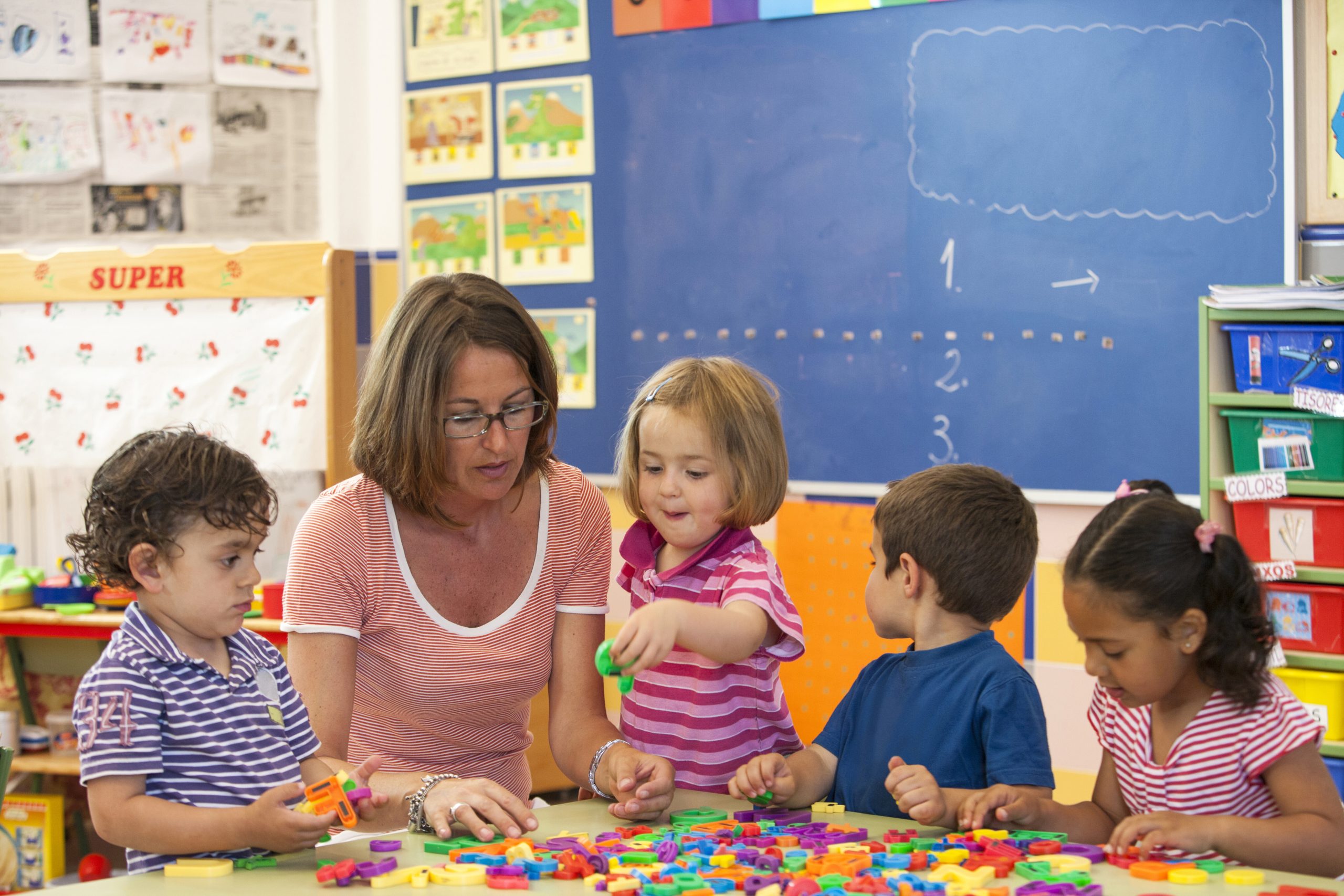
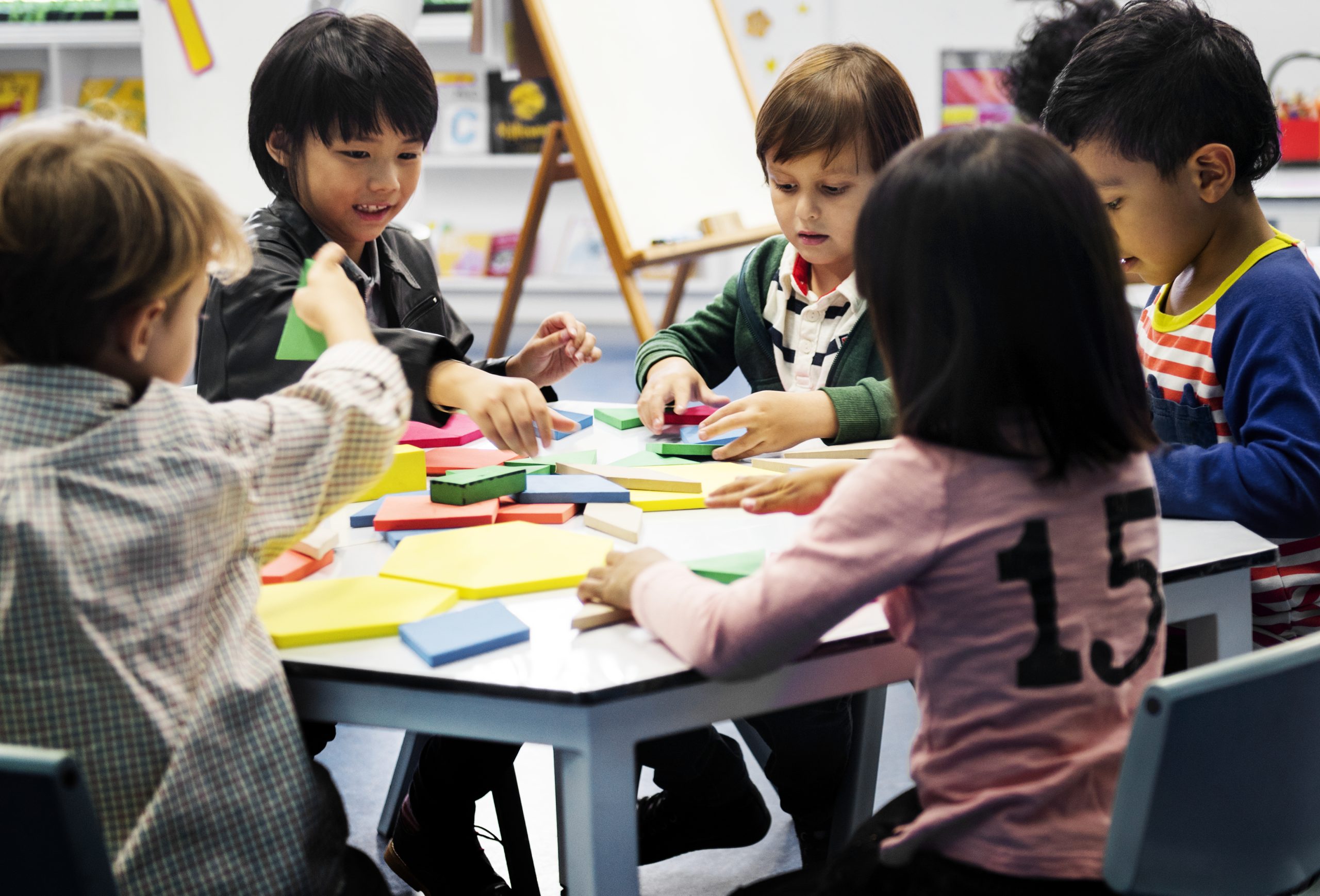
Quality early education provides daily opportunities for children to learn how to:
- Share resources
- Take turns
- Cooperate with peers
- Build friendships
- Respect others
- Resolve conflicts
- Communicate effectively
These interactions help children understand empathy, patience, and teamwork while developing positive relationships with both educators and classmates.
Children who are comfortable interacting with others often adjust more easily to the school environment.
Emotional Readiness Matters
One of the most overlooked aspects of school readiness is emotional development.
Children entering school need to manage feelings such as excitement, disappointment, frustration, and anxiety in healthy ways. They also need the confidence to separate from parents, cope with change, and seek help when needed.
Through nurturing relationships and consistent routines, educators help children develop emotional resilience that supports lifelong wellbeing.
Parents exploring Tallawong preschool readiness programs often appreciate centres that place equal importance on emotional development alongside academic learning.
When children feel emotionally secure, they become more open to learning and trying new experiences.
Encouraging Independence
Independence is another essential part of school readiness.
Simple everyday tasks teach children responsibility while building confidence in their own abilities.
These include:
- Packing away toys
- Washing hands independently
- Managing lunch boxes
- Putting on shoes and hats
- Following classroom routines
- Making simple choices
- Taking responsibility for belongings
Quality early education encourages children to complete these tasks with gentle guidance, gradually increasing their independence as they grow.
This preparation helps children adapt more easily when they begin primary school.
Supporting Early Literacy and Numeracy
Academic skills are certainly part of school readiness, but they should be introduced naturally through engaging, play based learning experiences.
Children develop early literacy by:
- Listening to stories
- Singing songs
- Recognising letters
- Exploring books
- Developing vocabulary
- Engaging in conversations
Early numeracy develops through:
- Counting objects
- Sorting and matching
- Measuring
- Recognising patterns
- Comparing sizes
- Solving simple problems
Rather than formal lessons, these concepts are introduced through games, creative activities, and everyday experiences that make learning enjoyable.
Families searching for Riverstone childcare education often value programs that balance structured learning with creativity and exploration.
Physical Development Supports Learning
Children also require strong physical development before starting school.
Fine motor skills help children hold pencils, use scissors, draw shapes, and complete classroom tasks. Gross motor skills contribute to balance, coordination, posture, and overall physical wellbeing.
Activities such as climbing, running, painting, threading beads, building with blocks, and outdoor play all contribute to healthy physical development.
These experiences improve coordination while encouraging active, healthy lifestyles.
The Importance of Communication Skills
Effective communication allows children to express ideas, ask questions, build friendships, and participate confidently in classroom discussions.
Early learning environments encourage language development through storytelling, music, dramatic play, conversations, and collaborative activities.
Children who can communicate confidently often feel more comfortable engaging with teachers and classmates during their first year of school.
Quality educators also encourage active listening, helping children understand instructions and participate respectfully in group learning experiences.
The Role of Families in School Readiness
Preparing for school is a partnership between educators and families.
Parents can support school readiness by:
- Reading together every day
- Encouraging curiosity
- Establishing consistent routines
- Promoting independence
- Providing opportunities for social interaction
- Talking positively about starting school
- Encouraging healthy eating and sleep habits
Regular communication between families and educators ensures children receive consistent support both at home and within the early learning environment.
Families seeking Schofields kindergarten preparation often appreciate centres that work closely with parents throughout their child’s early learning journey.
Why Quality Early Learning Makes the Difference?
Every child develops differently, and there is no single checklist that determines whether a child is ready for school. The most successful transitions occur when children have experienced nurturing relationships, meaningful learning opportunities, and environments that encourage confidence, independence, and curiosity.
At Little Foundations Early Learning, our experienced educators focus on every aspect of child development, helping children build the skills they need to enjoy learning both now and in the future.
Families looking for trusted school readiness childcare Sydney services can feel confident knowing their children are supported through personalised learning experiences that prepare them for life beyond the early years.
Whether you are considering early learning Rouse Hill, exploring Tallawong preschool readiness, searching for quality Riverstone childcare education, or planning your child’s Schofields kindergarten preparation, choosing a centre that values holistic development will provide your child with the strongest possible start. The journey to school begins long before the first day in the classroom. With the right support, encouragement, and learning experiences, children can develop the confidence and skills needed to embrace this exciting new chapter with enthusiasm and success.