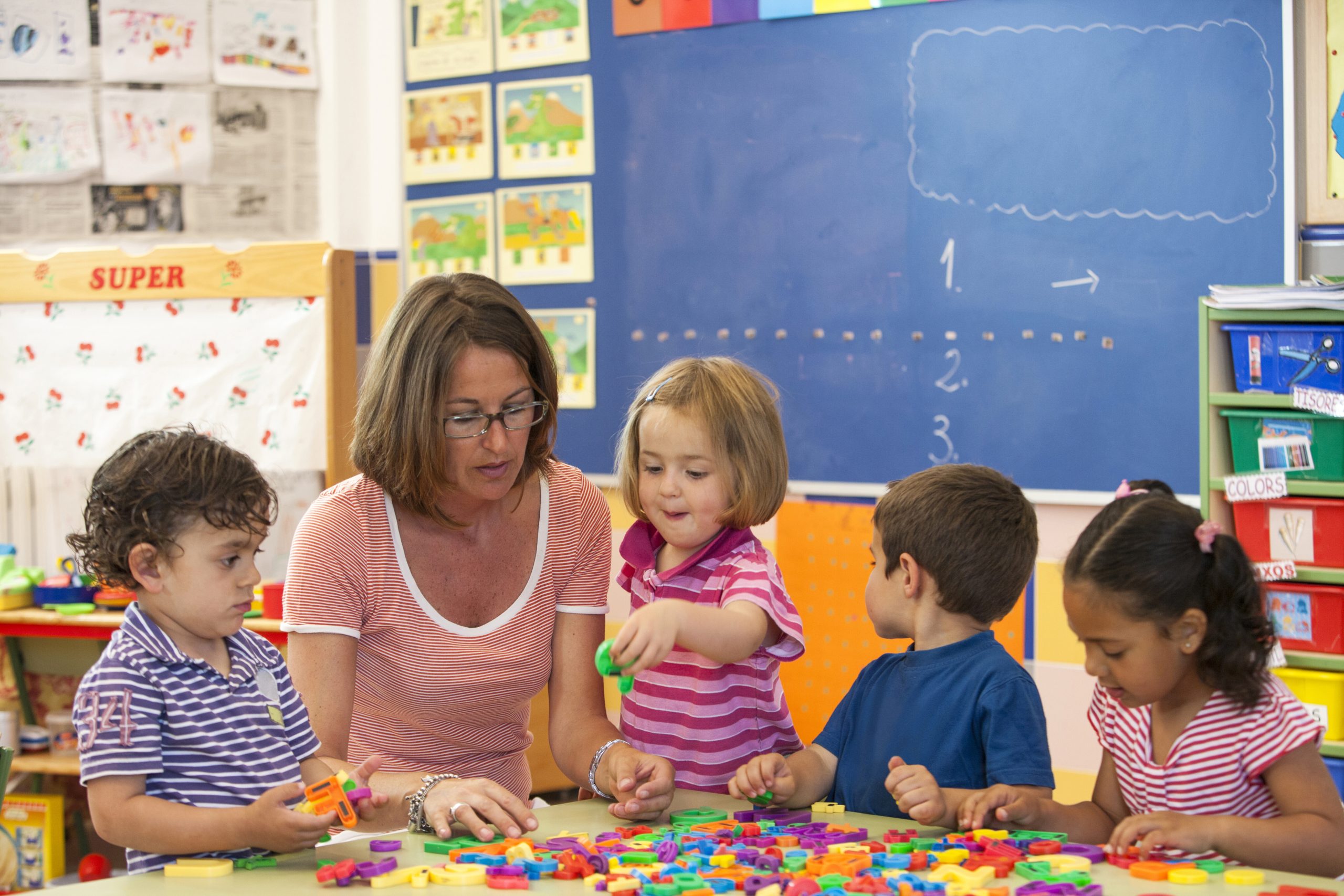
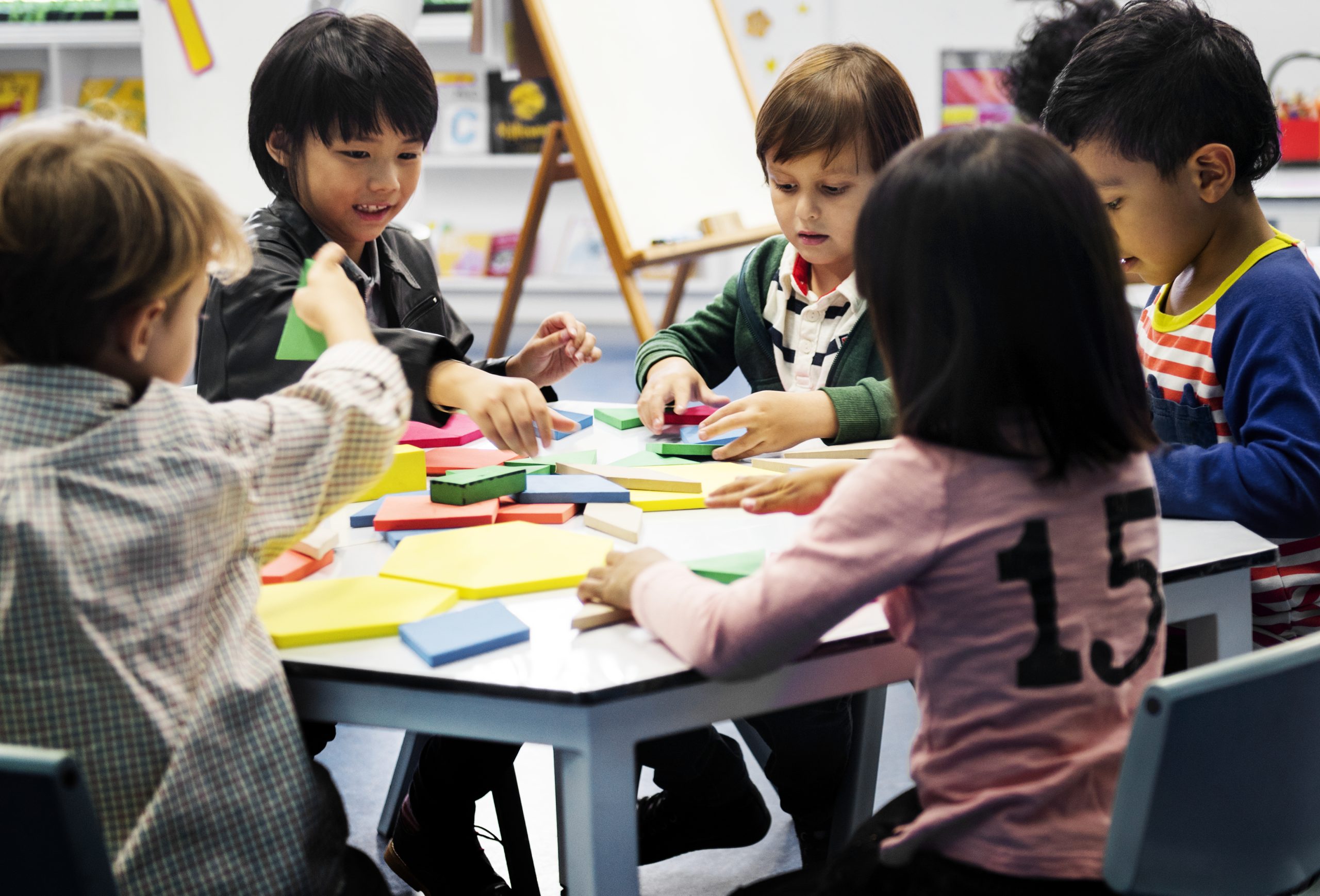
Every child communicates in their own unique way. While some children express themselves clearly through words, others often communicate through actions, emotions and behaviour. For parents, understanding these behaviours can sometimes feel overwhelming, especially during the early years when children are still learning how to manage emotions and interact with the world around them.
At Little Foundations Early Learning, educators understand that behaviour is often a form of communication. By observing and responding thoughtfully, families and educators can better support a child’s emotional and developmental needs. In quality childcare Riverstone centres, understanding child behaviour is an important part of supporting healthy early development.
Why Behaviour Is an Important Form of Communication?
Young children are still developing language, emotional regulation and social skills. Because of this, they may not always have the words to explain how they are feeling. Instead, emotions are often expressed through behaviour.
For example, a child who becomes frustrated easily may be struggling to communicate their needs. A child who suddenly becomes withdrawn may be feeling overwhelmed or anxious. Even behaviours such as clinginess, tantrums or excessive energy can provide valuable insight into a child’s emotional state.
Rather than viewing behaviour as simply good or bad, it is important to look at the message behind it. In supportive childcare Riverstone environments, educators focus on understanding the reasons behind behaviours so children feel heard, supported and guided positively.
Common Behaviours and What They May Mean
Children’s behaviour can change depending on their age, environment, emotions and developmental stage. Understanding these behaviours can help parents respond with patience and confidence.
Tantrums and Emotional Outbursts
Tantrums are common during the early years because children are still learning emotional regulation. These outbursts often happen when children feel frustrated, tired, overstimulated or unable to express themselves.
Calm and consistent responses help children feel safe during emotional moments. Over time, supportive guidance teaches children healthier ways to express emotions.
Clinginess and Separation Anxiety
Many young children experience separation anxiety, especially during transitions such as starting childcare or changes at home. Clinginess is often a sign that a child is seeking reassurance and emotional security.
In nurturing childcare Riverstone settings, educators help children build trust and confidence through consistent routines and caring relationships.
Aggressive Behaviour
Hitting, biting or pushing can occur when children feel frustrated or lack the skills to communicate effectively. While these behaviours should be addressed calmly, they are often part of normal early development.
Children benefit from learning how to recognise emotions, share, cooperate and solve conflicts respectfully. Educators play an important role in modelling positive social interactions.
Quiet or Withdrawn Behaviour
Some children may become unusually quiet or avoid social interaction when they are feeling anxious, tired or emotionally overwhelmed. It is important to observe patterns and provide gentle support without pressure.
Creating emotionally safe environments encourages children to gradually build confidence and participate at their own pace.
The Link Between Behaviour and Early Development
Behaviour and early development are closely connected. As children grow, they experience rapid emotional, cognitive and social changes. Each developmental stage brings new challenges, skills and behaviours.
For example, toddlers are developing independence, which may lead to frustration when they cannot complete tasks on their own. Preschool aged children begin learning empathy, cooperation and problem solving through play and social interaction.
Understanding developmental milestones helps parents and educators respond appropriately to behaviour while supporting growth and learning.
At Little Foundations Early Learning, educators recognise that every child develops differently. Some children may need extra support with emotional regulation, while others may require encouragement in building social confidence. Individualised care helps children feel supported throughout their early development journey.
How Positive Relationships Influence Behaviour?
Strong relationships are one of the most important factors influencing child behaviour. Children who feel emotionally secure are more likely to develop confidence, resilience and positive social skills.
Supportive relationships help children:
- Feel safe expressing emotions
- Build trust with adults and peers
- Develop communication skills
- Learn empathy and cooperation
- Gain confidence in social situations
In quality childcare Riverstone centres, educators build meaningful connections with children through attentive listening, encouragement and consistent care. These relationships provide a strong emotional foundation for learning and development.
The Importance of Consistent Routines
Children thrive on predictability. Consistent routines help children feel secure because they know what to expect throughout the day. Sudden changes or uncertainty can sometimes contribute to challenging behaviour.
Daily routines such as meal times, rest periods, learning activities and play create a sense of stability and comfort. When children feel secure, they are often better able to manage emotions and transitions.
At Little Foundations Early Learning, structured yet flexible routines support both emotional wellbeing and independence. Children are encouraged to explore, learn and grow within a calm and supportive environment.
Supporting Positive Behaviour at Home
Parents play a key role in helping children understand and manage emotions. Positive behaviour support begins with patience, communication and consistency.
Some helpful strategies include:
- Acknowledging children’s feelings calmly
- Encouraging children to use words to express emotions
- Setting clear and consistent boundaries
- Praising positive behaviour and effort
- Maintaining routines where possible
- Modelling respectful communication
Children learn through observation. Calm and supportive adult responses help children develop emotional awareness and self regulation skills over time.
Why Emotional Wellbeing Matters?
Behaviour is closely linked to emotional wellbeing. Children who feel safe, valued and supported are more likely to display confidence and positive social behaviours.
Early learning environments that prioritise emotional wellbeing create opportunities for children to develop resilience, independence and strong interpersonal skills. Through play, communication and guided learning experiences, children learn how to navigate emotions and relationships in healthy ways.
Supportive childcare Riverstone services understand that emotional wellbeing is just as important as academic learning during the early years.
Working Together to Support Children
The best outcomes for children happen when families and educators work together. Open communication between parents and early learning professionals creates consistency and helps children feel supported across both home and childcare environments.
Sharing observations, discussing concerns and celebrating milestones all contribute to a stronger understanding of each child’s individual needs and personality.
At Little Foundations Early Learning, educators value strong partnerships with families to support every aspect of child growth and early development.
Final Thoughts
Children’s behaviour is often a window into their emotions, needs and developmental stage. By understanding the meaning behind behaviours, parents and educators can respond with empathy, guidance and support.
Quality childcare Riverstone environments focus on nurturing emotional wellbeing alongside learning and development. Through caring relationships, structured routines and supportive guidance, children gain the confidence and skills they need to thrive.
At Little Foundations Early Learning, every child is supported as an individual, helping them build strong emotional foundations for lifelong learning and wellbeing.